6 Pressure-Cooker Anti-Inflammatory Meals for Nights Dinner Started Late
Oct 07, 2026
You walk into the kitchen later than planned, but the pressure cooker still needs time to build pressure and release it. Starting with cooked beans or small chicken pieces gives you a realistic place to begin.
Here’s why:
These anti-inflammatory meals combine vegetables, protein, and broth in a 6-quart electric cooker. Nutritious ingredients are easier to use when a repeatable eating pattern includes dinners for a late start. Cook Time counts sautéing plus the programmed pressure setting; allow another 10-20 minutes to pressurize and at least 15 minutes for natural release. Follow your model’s minimum liquid requirement, stay below the half-full line for beans and grains, and open only after pressure fully drops.
Pick one pressure-cooker dinner and add its build-and-release allowance to your dinner plan.
This is general wellness information based on current research, not medical advice. If you have specific health concerns, please consult with a healthcare provider.
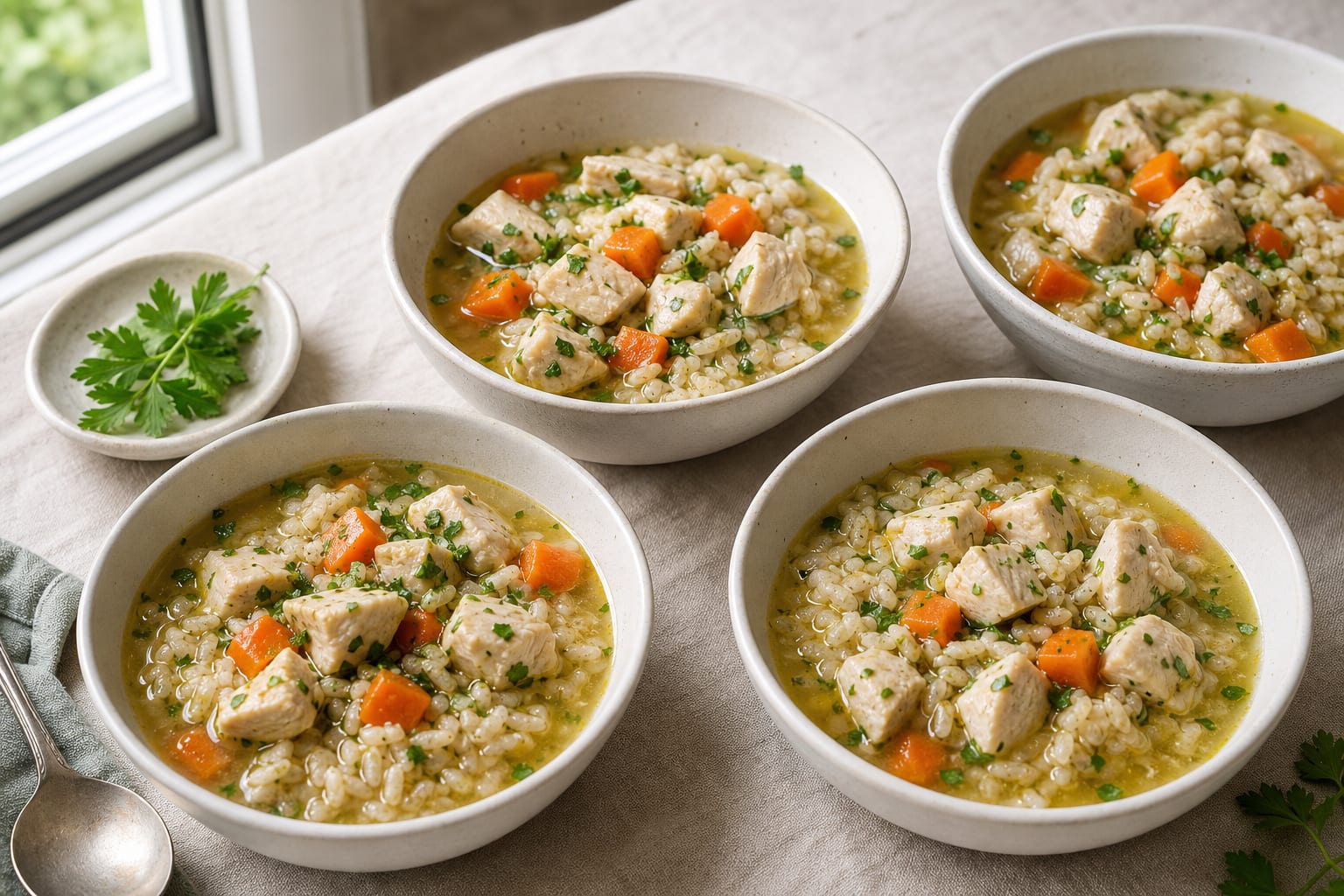
1. Lemon Chicken Carrot Broth Bowls
Cook Time: 10 minutes
Ingredients:
- 24 ounces raw boneless skinless chicken breast, cut into 1-inch cubes (680 g)
- 2 cups sliced carrots, 1/4 inch thick
- 3 cups low-sodium chicken broth
- 2 cups cooked brown rice
- 1 tablespoon extra-virgin olive oil
- 2 tablespoons lemon juice
- 1/4 cup chopped parsley
Directions:
Sauté the carrots in oil for 4 minutes, then add the broth and scrape the base clean before stirring in chicken and cooked rice. Lock the lid and pressure-cook on high for 6 minutes, for 10 minutes total cooking, then allow at least 15 minutes of natural release and wait until pressure fully drops before opening. Check several chicken pieces reach 165°F, extending cooking if needed, then add lemon juice and parsley and divide into 4 servings.
Why It Works: Small chicken pieces cook in the same broth that carries the carrots’ sweetness, while lemon and parsley keep the finish fresh.
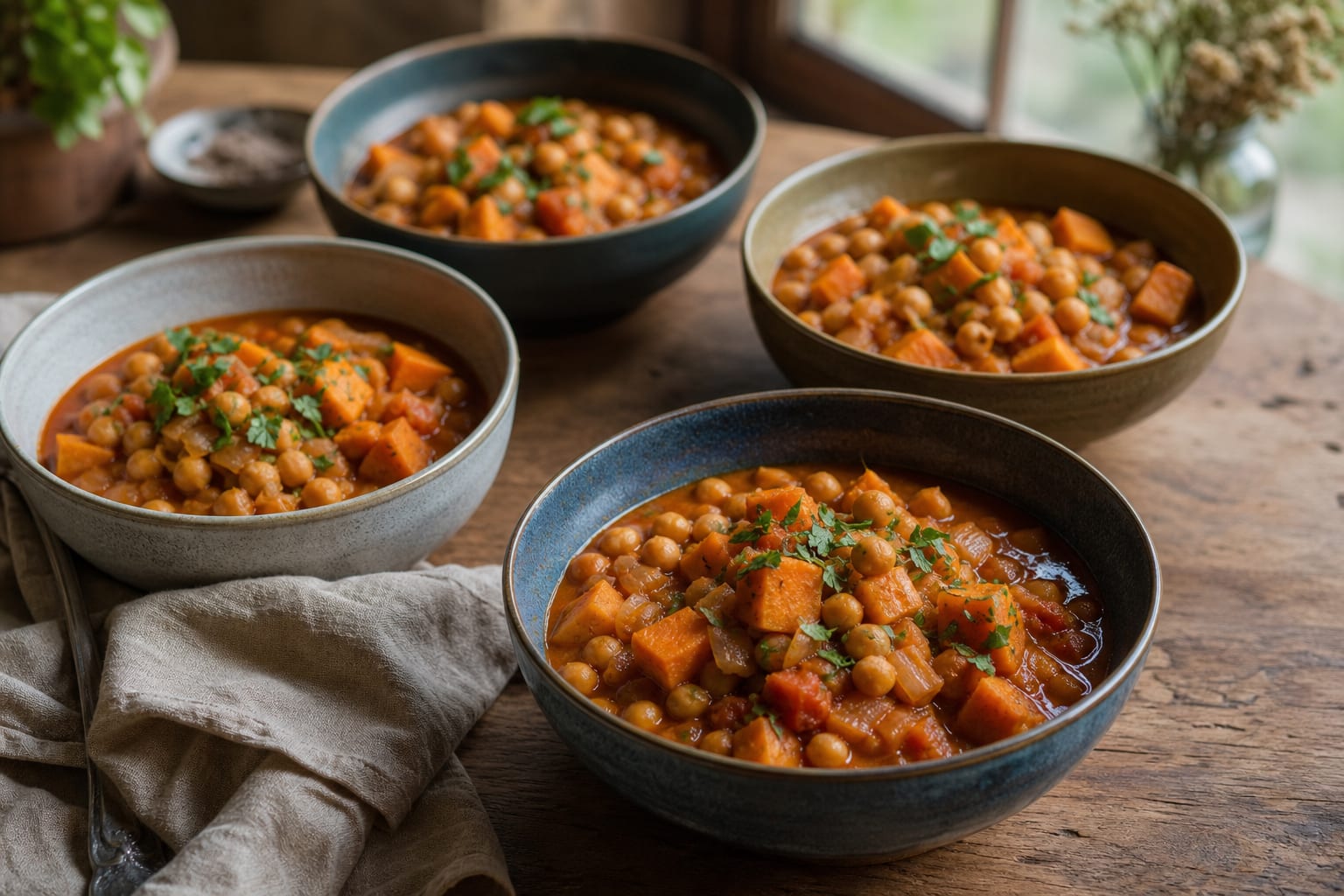
2. Smoky Chickpea Sweet Potato Stew
Cook Time: 8 minutes
Ingredients:
- 3 cups canned chickpeas, drained and rinsed (492 g)
- 2 cups sweet potato cubes, 1/2 inch each
- 3 cups low-sodium vegetable broth
- 1 cup diced onion
- 1 tablespoon extra-virgin olive oil
- 1 teaspoon smoked paprika
- 2 tablespoons lime juice
Directions:
Sauté the onion in oil for 3 minutes, add broth, and scrape the base clean before adding chickpeas, sweet potato, and paprika. Pressure-cook on high for 5 minutes, for 8 minutes total cooking, then let pressure release naturally for at least 15 minutes and fully subside before opening. Stir in lime juice once the sweet potato is tender and divide into 4 servings.
Why It Works: The sweet potato thickens the broth slightly as you stir, so the chickpeas sit in a spoonable stew. It’s a high fiber recipe built from a can and a small amount of chopping.
Before we get to Meal #3...
My clients frequently ask me “Which foods actually help with inflammation?”
Knowing the foods is only useful if you understand why they matter and how to use them consistently.
Because knowledge is power.
So I ranked 10 science-backed foods that can support a lower-inflammatory eating pattern, including why they matter and practical ways to use them.
I hope you find it helpful!
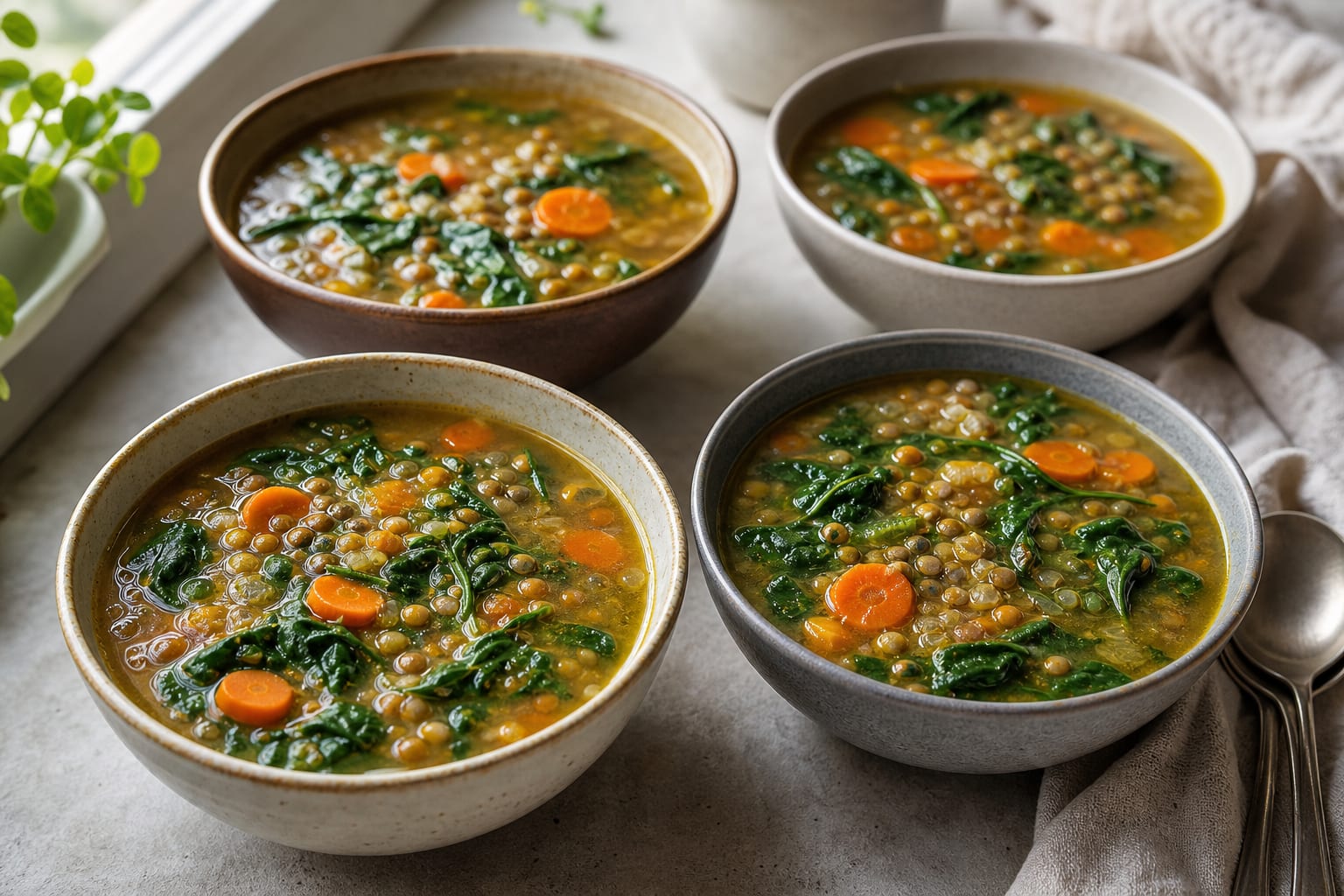
3. Ginger Lentil Spinach Soup
Cook Time: 6 minutes
Ingredients:
- 3 cups cooked unsalted lentils (594 g)
- 3 cups low-sodium vegetable broth
- 1 cup diced carrots, 1/4 inch each
- 1 cup chopped spinach
- 1 tablespoon grated ginger
- 1 tablespoon extra-virgin olive oil
- 1 tablespoon lemon juice
Directions:
Sauté the carrots and ginger in oil for 3 minutes, then add broth, scrape the base clean, and stir in the cooked lentils. Pressure-cook on high for 3 minutes, for 6 minutes total cooking, then wait at least 15 minutes for natural release and open only after pressure fully drops. Fold spinach and lemon juice into the steaming soup until the leaves wilt, then divide into 4 servings.
Why It Works: Ginger gives cooked lentils a different direction from a tomato stew, and spinach wilts in the retained heat.
4. Chicken Corn Cumin Chili
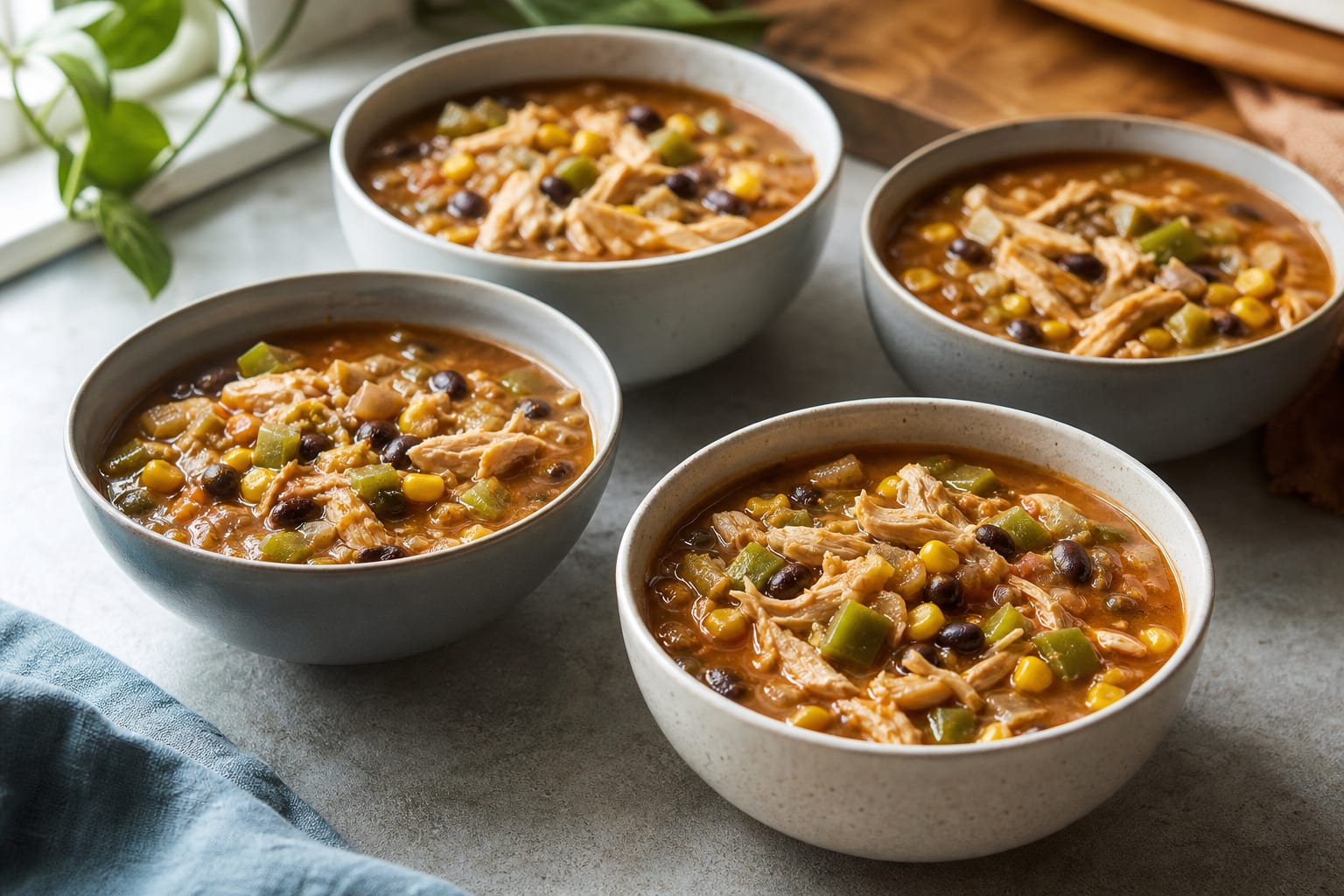
Cook Time: 7 minutes
Ingredients:
- 16 ounces cooked rotisserie chicken breast meat, skin removed and shredded (454 g)
- 2 cups canned black beans, drained and rinsed
- 1 cup frozen corn
- 3 cups low-sodium chicken broth
- 1 cup diced green bell pepper
- 1 tablespoon extra-virgin olive oil
- 2 teaspoons ground cumin
Directions:
Sauté the bell pepper in oil for 4 minutes, pour in broth, and scrape the base clean before adding chicken, black beans, corn, and cumin. Pressure-cook on high for 3 minutes, for 7 minutes total cooking, then allow at least 15 minutes of natural release and wait until pressure fully drops before opening. Stir, check the chili reaches 165°F throughout, and portion into 4 servings.
Why It Works: Shredded chicken spreads through the broth, so each spoonful catches some chicken along with beans and corn.
5. Rosemary White Bean Mushroom Pot
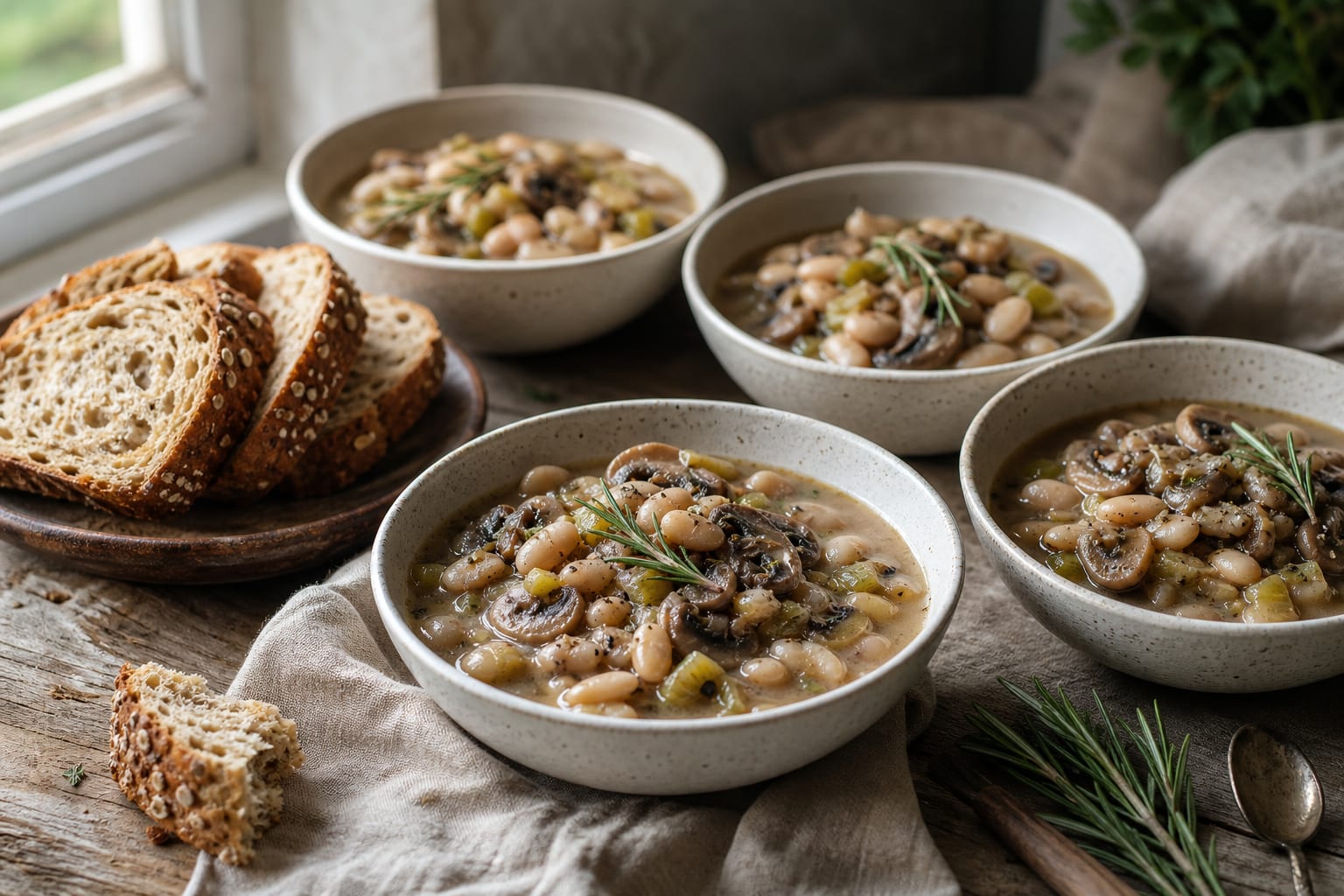
Cook Time: 9 minutes
Ingredients:
- 3 cups cooked unsalted white beans, drained (537 g)
- 2 cups sliced cremini mushrooms
- 3 cups low-sodium vegetable broth
- 1 cup diced celery
- 1 tablespoon extra-virgin olive oil
- 1 teaspoon dried rosemary
- 4 slices whole-grain bread
Directions:
Sauté the mushrooms and celery in oil for 6 minutes, then pour in broth and scrape the bottom clean before adding beans and rosemary. Pressure-cook on high for 3 minutes, for 9 minutes total cooking, then let pressure release naturally for at least 15 minutes and fully drop before opening. Spoon into 4 bowls and serve each with 1 slice of bread to make 4 servings.
Why It Works: Browning the mushrooms first gives the broth a deeper flavor, and bread catches the rosemary-scented liquid left in the bowl.
6. Turmeric Tofu Pea Curry
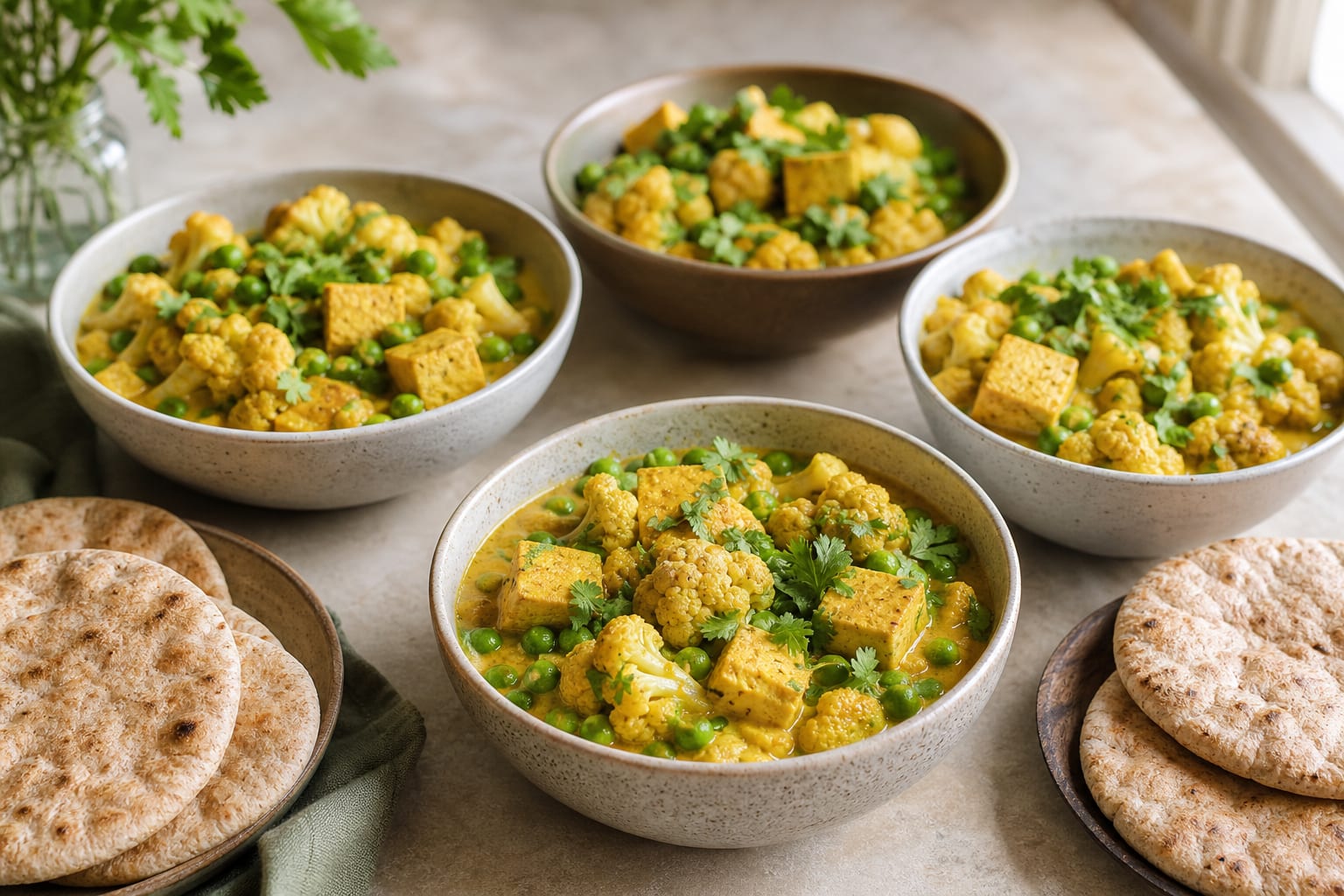
Cook Time: 5 minutes
Ingredients:
- 21 ounces firm calcium-set tofu, drained and cubed (600 g)
- 3 cups low-sodium vegetable broth
- 1 cup frozen green peas
- 1 cup cauliflower florets, 1 inch each
- 1/2 cup light coconut milk
- 1 tablespoon extra-virgin olive oil
- 1 teaspoon ground turmeric
- 4 whole-wheat pitas, 6 inches each
Directions:
Sauté the cauliflower with oil and turmeric for 3 minutes, then add broth, scrape the base clean, and stir in tofu and peas. Pressure-cook on high for 2 minutes, for 5 minutes total cooking, then allow at least 15 minutes of natural release and wait for pressure to fully drop before opening. Stir in coconut milk and divide among 4 bowls, serving each with 1 pita to make 4 servings.
Why It Works: Adding coconut milk after pressure cooking keeps the thin broth at the bottom during the cycle and gives the finished curry a softer texture. Protein figures use the first measured ingredient and round down per serving; broth, grains, and other foods are outside that subtotal.
Quick Reference
|
Recipe |
Prep |
Cook |
Protein |
Key Benefit |
|
Lemon Chicken Carrot Broth Bowls |
14 min |
10 min |
~38 g/serving |
One-pot chicken with ready-cooked rice |
|
Smoky Chickpea Sweet Potato Stew |
13 min |
8 min |
~8 g/serving |
Pantry chickpeas become a hearty stew |
|
Ginger Lentil Spinach Soup |
10 min |
6 min |
~13 g/serving |
Cooked lentils shorten the soup prep |
|
Chicken Corn Cumin Chili |
10 min |
7 min |
~31 g/serving |
Leftover chicken fills four chili bowls |
|
Rosemary White Bean Mushroom Pot |
12 min |
9 min |
~13 g/serving |
One-pot beans with bread for dipping |
|
Turmeric Tofu Pea Curry |
10 min |
5 min |
~25 g/serving |
Plant-based curry with a short pressure cycle |