6 Low-Carb Anti-Inflammatory Dinners That Don’t Skimp on Flavor
Sep 15, 2026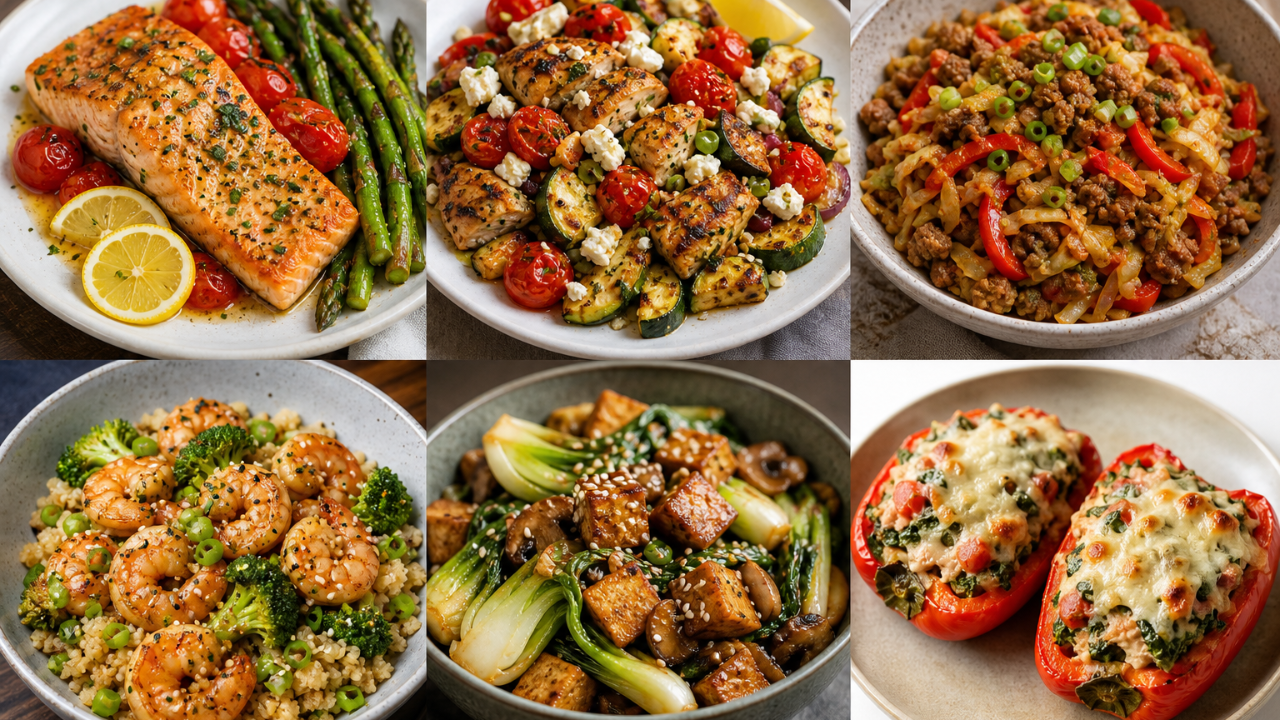
You planned a lower-carb dinner, but the dry chicken and plain steamed vegetables on your plate make the takeout menu look better by comparison. Cutting back on starch still leaves room for lemon, feta, ginger, sesame, smoked paprika, juicy tomatoes, and properly browned edges.
Here’s what I remind my clients:
Good nutrition can support your health through an overall eating pattern that tastes worth repeating. Anti-inflammatory dinners can keep carbohydrates lower by building the plate around protein, vegetables, measured fats, and bold texture instead of a large grain base. A hot skillet, properly seasoned protein, and a late hit of citrus make that simple formula taste like a dinner you chose on purpose.
Choose one low-carb dinner, circle its boldest seasoning, and put that ingredient at the front of your pantry.
This is general wellness information based on current research, not medical advice. If you have specific health concerns, please consult with a healthcare provider.
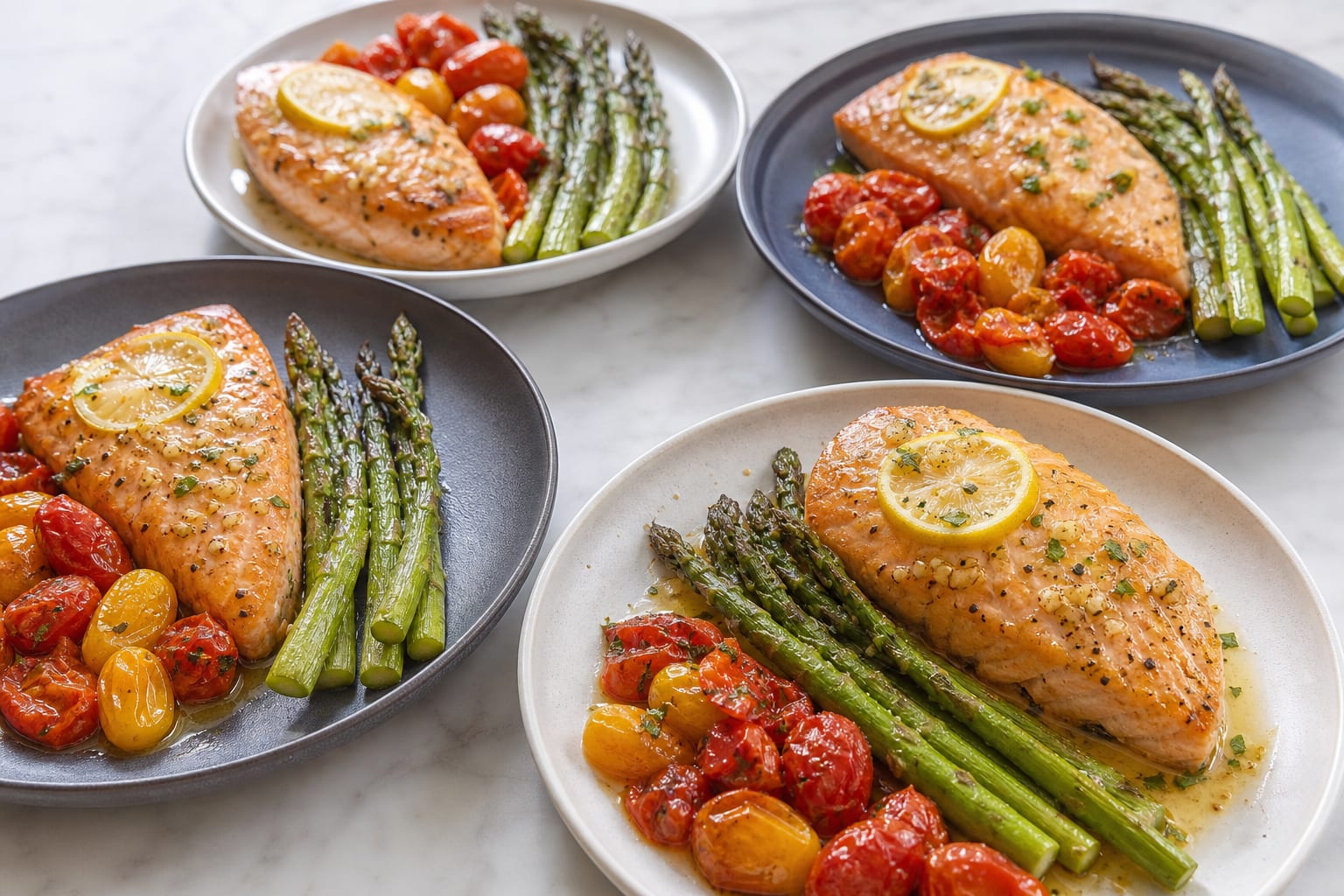
1. Lemon Garlic Salmon Asparagus
Cook Time: 14 minutes
Ingredients:
- 1 pound raw Atlantic salmon, cut into 4 fillets (454 g)
- 6 cups raw asparagus, cut into 2-inch pieces
- 2 cups raw halved cherry tomatoes
- 1 tablespoon extra-virgin olive oil
- 2 tablespoons fresh lemon juice
- 1 teaspoon garlic powder, 1/2 teaspoon kosher salt, and 1/4 teaspoon black pepper
Directions:
Season the salmon with garlic, salt, and pepper. Heat the oil in a wide skillet over medium-high and cook the salmon for 4 minutes per side until it reaches 145°F, then transfer it; cook the asparagus and tomatoes for 6 minutes, for 14 minutes total cooking. Return the fully cooked salmon, finish with lemon, and divide the skillet among 4 plates to make 4 servings.
Why It Works: Garlic, salt, and pepper season the salmon before it hits the pan, and lemon at the end gives low-carb anti-inflammatory dinners a bright finish. Asparagus and tomatoes cook in the flavorful oil while the fish rests. Returning the salmon only at the end keeps anti-inflammatory meals from drying out.
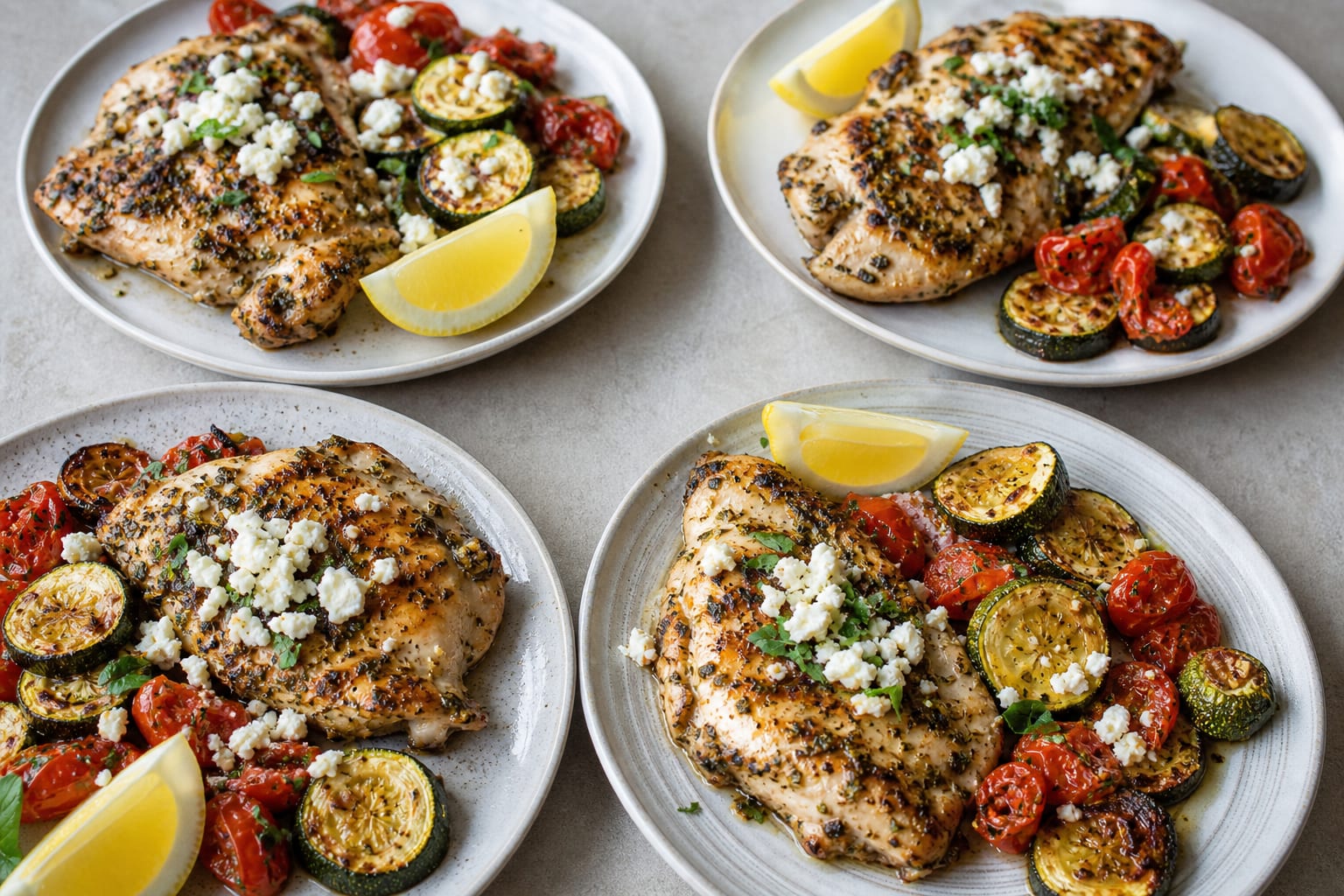
2. Greek Chicken Zucchini Skillet
Cook Time: 17 minutes
Ingredients:
- 1 pound raw boneless skinless chicken breast, cut into 1-inch pieces (454 g)
- 5 cups raw zucchini half-moons
- 2 cups raw halved cherry tomatoes
- 1 cup crumbled feta cheese
- 1 tablespoon extra-virgin olive oil
- 2 tablespoons fresh lemon juice, 1 teaspoon dried oregano, and 1/2 teaspoon kosher salt
Directions:
Heat the oil over medium-high and cook the chicken with oregano and salt for 10 minutes until it reaches 165°F, then transfer it; arrange the zucchini in one layer and cook for 5 minutes until browned, then add the tomatoes for 2 minutes, for 17 minutes total cooking. Return the fully cooked chicken, finish with lemon and feta, and divide the skillet among 4 plates to make 4 servings.
Why It Works: Browning the zucchini on its own gives Greek-style anti-inflammatory recipes caramelized edges alongside juicy tomatoes and salty feta.
Before we get to Meal #3...
My clients frequently ask me “Which foods actually help with inflammation?”
Knowing the foods is only useful if you understand why they matter and how to use them consistently.
Because knowledge is power.
So I ranked 10 science-backed foods that can support a lower-inflammatory eating pattern, including why they matter and practical ways to use them.
I hope you find it helpful!
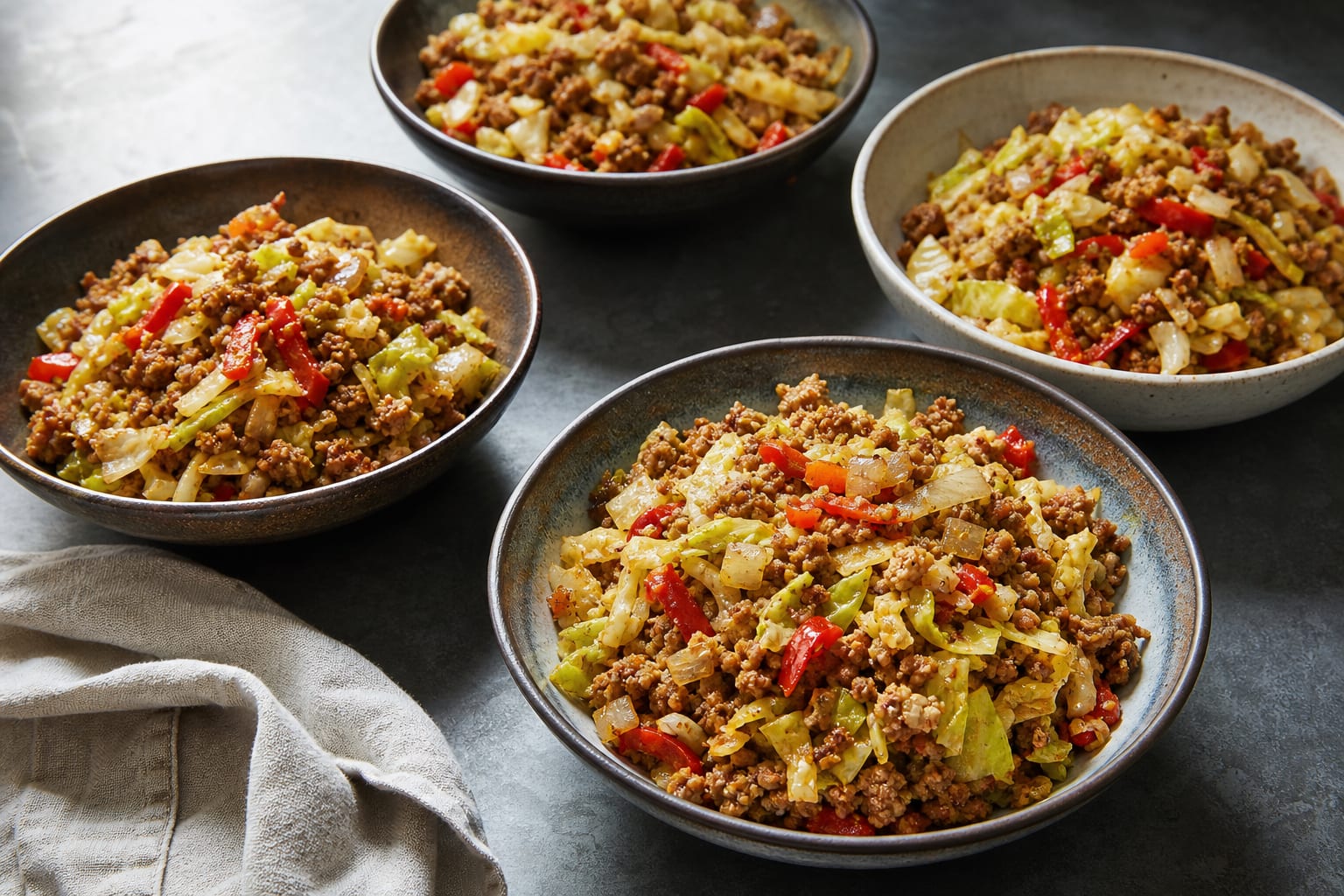
3. Smoky Turkey Cabbage Pepper Bowl
Cook Time: 18 minutes
Ingredients:
- 1 pound raw 93% lean ground turkey (454 g)
- 6 cups raw shredded green cabbage
- 3 cups raw sliced red bell pepper
- 1 cup raw diced red onion
- 1 tablespoon extra-virgin olive oil
- 1 teaspoon smoked paprika, 1 teaspoon ground cumin, and 1/2 teaspoon kosher salt
Directions:
Heat the oil over medium-high and brown the turkey with paprika, cumin, and salt for 10 minutes, then add the cabbage, pepper, and onion for 8 minutes, for 18 minutes total cooking, until the turkey reaches 165°F. Divide the finished browned ground turkey and tender-crisp vegetables among 4 bowls to make 4 servings.
Why It Works: Paprika and cumin season the turkey before the vegetables join, giving smoky anti-inflammatory recipes a deliberate finish.
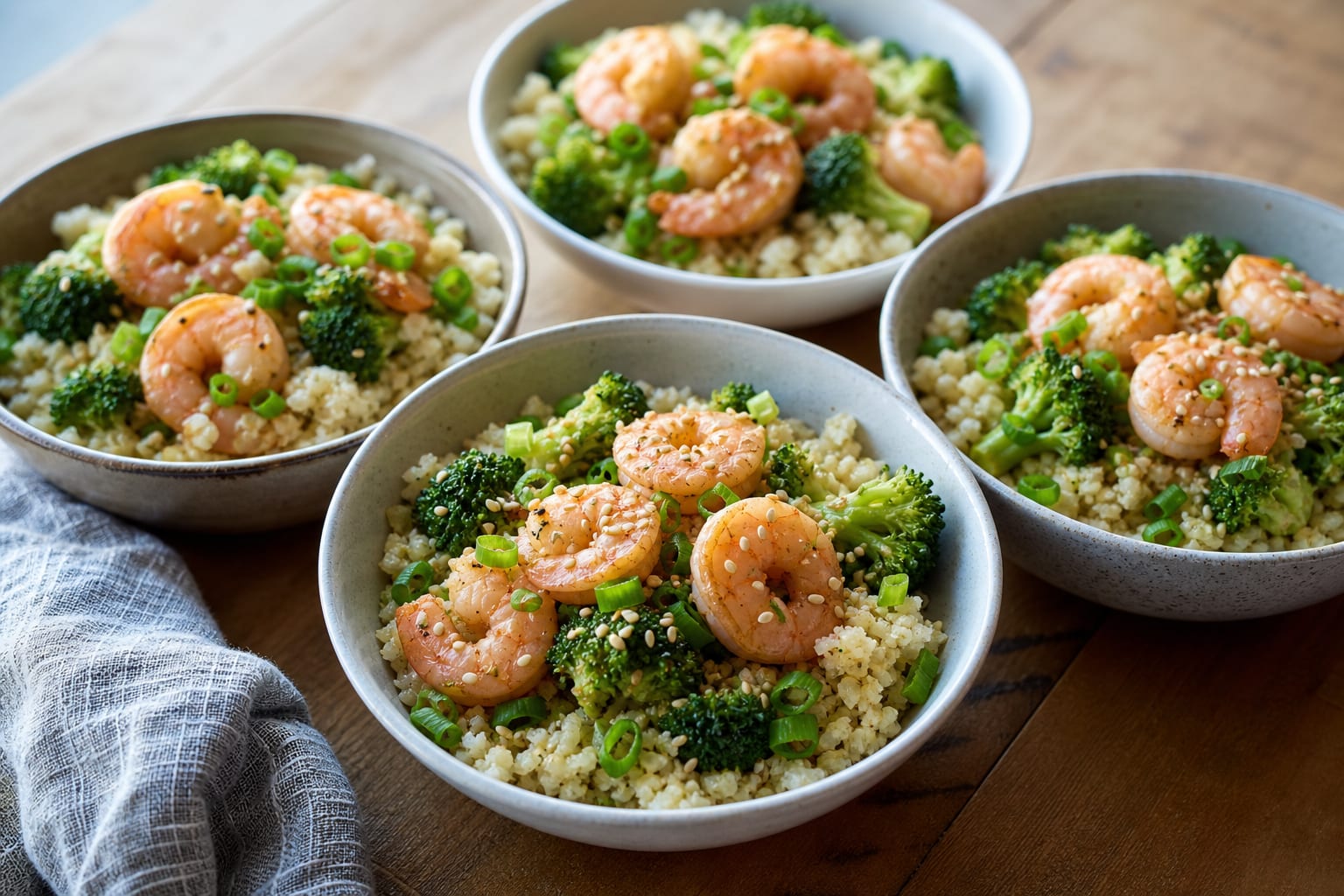
4. Sesame Shrimp Cauliflower Rice
Cook Time: 9 minutes
Ingredients:
- 16 ounces fully cooked peeled shrimp (454 g)
- 6 cups raw cauliflower rice
- 3 cups raw broccoli florets
- 1 cup raw sliced scallions
- 1 tablespoon sesame oil
- 2 tablespoons reduced-sodium tamari, 1 teaspoon grated fresh ginger, and 1 teaspoon sesame seeds
Directions:
Heat the sesame oil over medium-high and cook the cauliflower rice and broccoli with tamari and ginger for 7 minutes, then fold in the fully cooked shrimp for 2 minutes, for 9 minutes total cooking, just until warm. Scatter with scallions and sesame seeds, then divide the cooked cauliflower rice and pink shrimp among 4 bowls to make 4 servings.
Why It Works: Adding cooked shrimp only for the final 2 minutes keeps it tender and brings quick anti-inflammatory meals to the table without a long simmer.
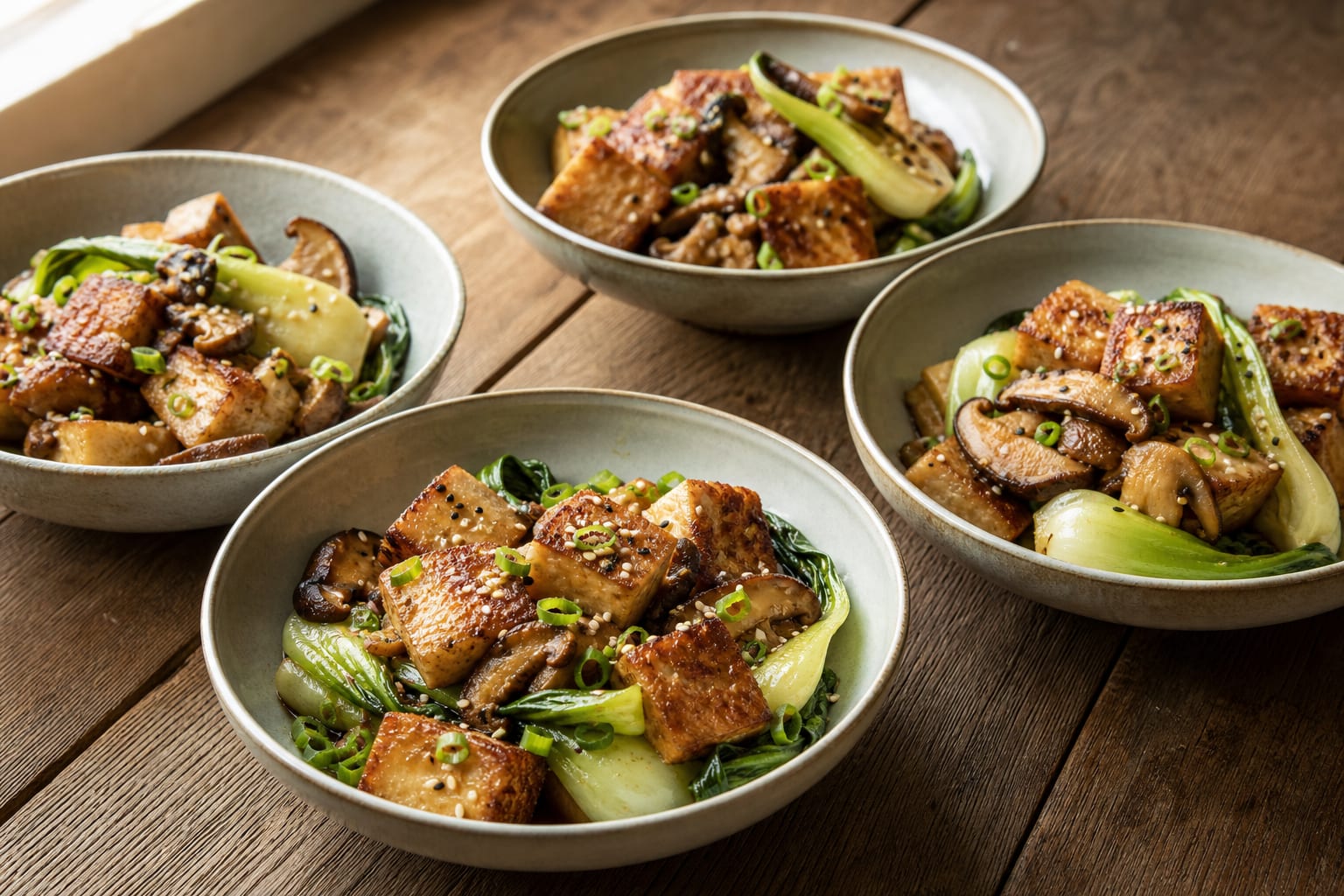
5. Ginger Tofu Mushroom Bok Choy
Cook Time: 15 minutes
Ingredients:
- 16 ounces firm calcium-set tofu, pressed and cubed (454 g)
- 4 cups raw sliced cremini mushrooms
- 6 cups raw chopped baby bok choy
- 1 tablespoon sesame oil
- 2 tablespoons reduced-sodium tamari
- 1 tablespoon grated fresh ginger, 2 tablespoons water, and 1 teaspoon sesame seeds
Directions:
Heat the sesame oil over medium-high and brown the tofu for 8 minutes, then add the mushrooms, bok choy, tamari, ginger, and water for 7 minutes more, for 15 minutes total cooking. Scatter the finished browned cooked tofu and tender vegetables with sesame seeds, then divide them among 4 bowls to make 4 servings.
Why It Works: Mushrooms bring savory depth while bok choy keeps its tender stems and softer leaves, giving healthy anti-inflammatory meals two distinct textures.
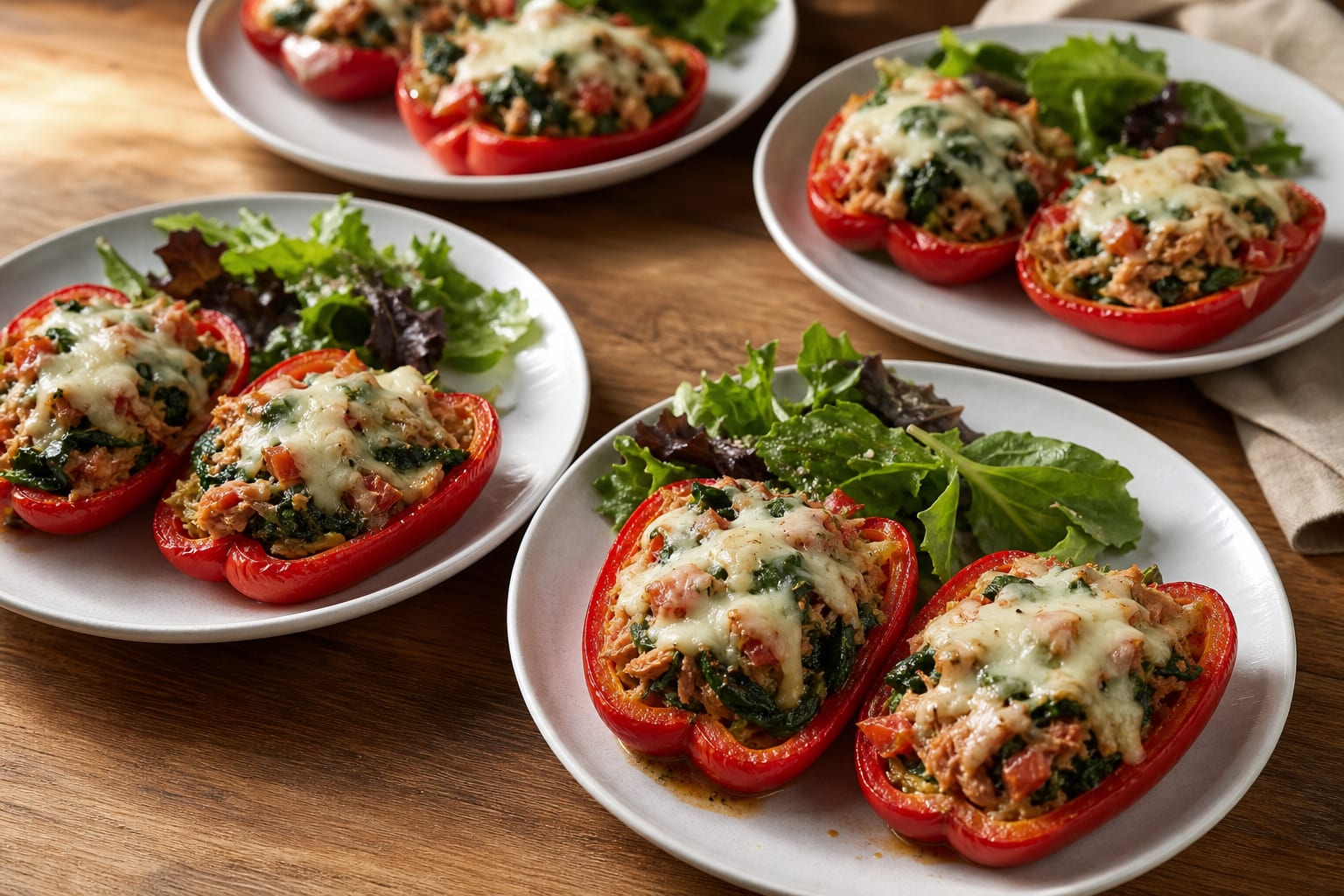
6. Tuna Spinach Stuffed Peppers
Cook Time: 18 minutes
Ingredients:
- 12 ounces canned light tuna in water, drained (340 g)
- 4 large raw red bell peppers, halved and seeded
- 4 cups raw baby spinach, chopped
- 1 cup no-salt-added crushed tomatoes
- 1 cup shredded part-skim mozzarella
- 1 teaspoon dried oregano, 1/2 teaspoon garlic powder, and 1/4 teaspoon black pepper
Directions:
Mix the tuna, spinach, tomatoes, 1/2 cup mozzarella, oregano, garlic, and pepper, spoon it into the 8 pepper halves, and top with the remaining 1/2 cup cheese; bake at 425°F for 18 minutes total cooking. Divide the finished tender stuffed peppers with hot ready-to-eat tuna and melted cheese among 4 plates to make 4 servings.
Why It Works: Roasting the pepper halves keeps the tuna filling juicy and creates a built-in serving vessel. Oregano and tomato add a clear Italian direction. Melted mozzarella makes healthy anti-inflammatory meals like this one feel finished without a pasta or rice base. These conservative protein estimates count each low-carb dinner’s main protein source.
Quick Reference
|
Recipe |
Prep |
Cook |
Protein |
Key Benefit |
|
Lemon Garlic Salmon Asparagus |
8 min |
14 min |
~23 g/serving |
Lemon keeps the skillet bright |
|
Greek Chicken Zucchini Skillet |
10 min |
17 min |
~25 g/serving |
Salty feta balances juicy vegetables |
|
Smoky Turkey Cabbage Pepper Bowl |
10 min |
18 min |
~21 g/serving |
Smoky seasoning anchors crisp cabbage |
|
Sesame Shrimp Cauliflower Rice |
9 min |
9 min |
~27 g/serving |
Fast cooking preserves fresh texture |
|
Ginger Tofu Mushroom Bok Choy |
10 min |
15 min |
~19 g/serving |
Mushrooms add savory depth |
|
Tuna Spinach Stuffed Peppers |
12 min |
18 min |
~16 g/serving |
A juicy filling in a tender pepper |