6 Anti-Inflammatory Pantry Meals for the End of the Week
Sep 29, 2026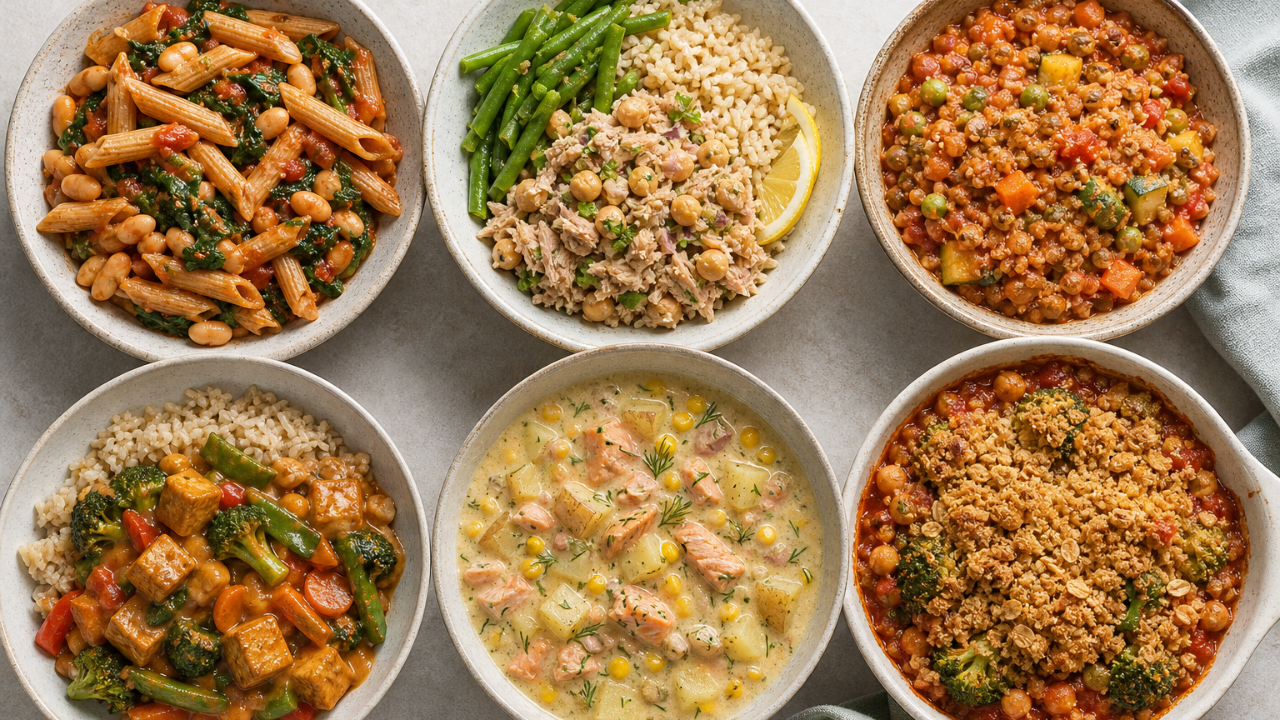
It’s Thursday night, and you’re staring at a nearly empty produce drawer while another takeout order starts to feel easier. The inflammation advice you read this week didn’t explain what to do with the safely refrigerated ingredients you opened earlier or the unopened cans in your cupboard.
Sound familiar?
A useful pantry meal turns those odds and ends into dinner before food gets wasted. Beans, fish, frozen vegetables, and a cooked base give these anti-inflammatory meals enough structure to feel complete. Good nutrition can support health when an overall eating pattern is repeatable enough to survive the days before your next grocery trip.
Choose the meal that uses a safely refrigerated opened ingredient or an unopened can you already have.
This is general wellness information based on current research, not medical advice. If you have specific health concerns, please consult with a healthcare provider.
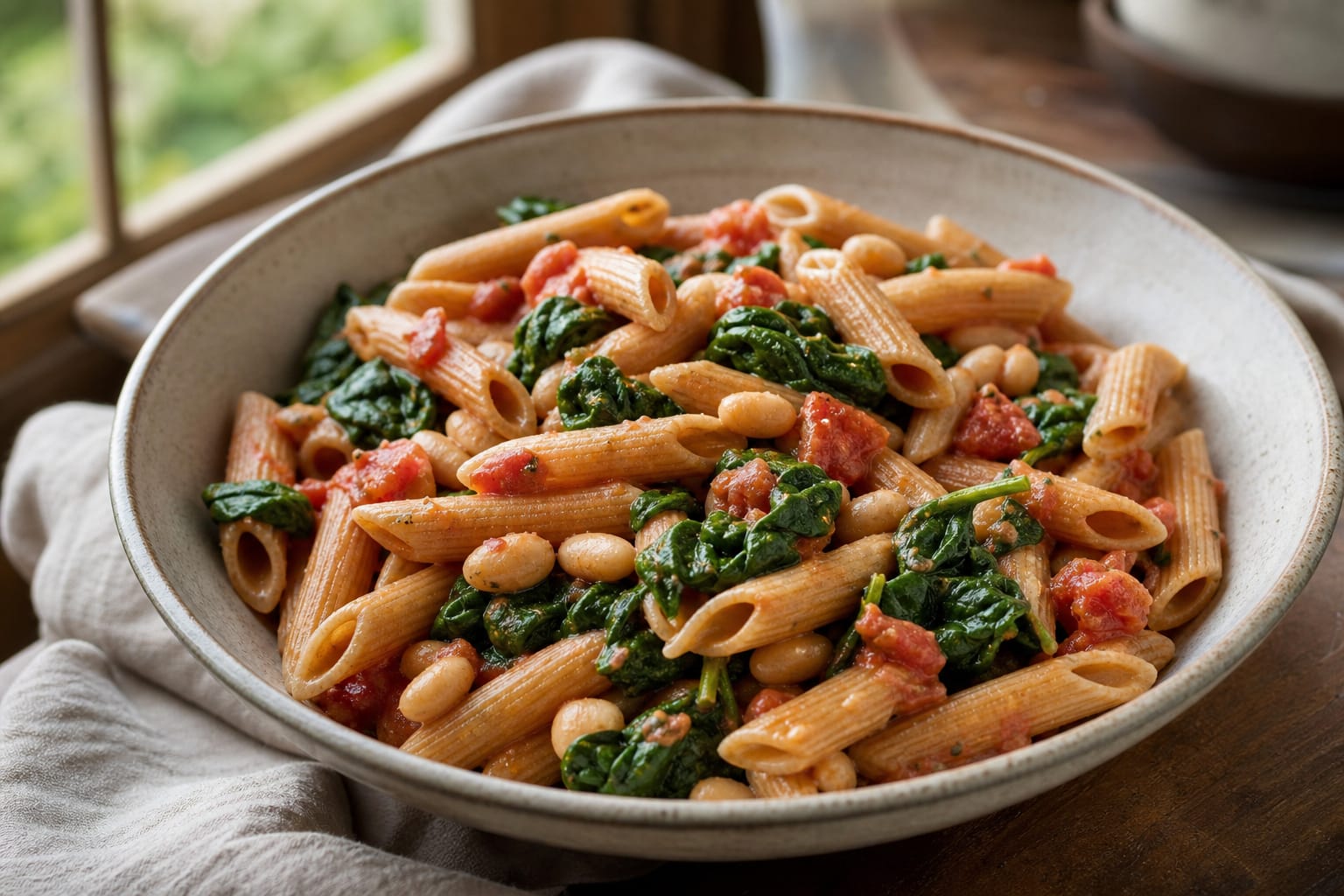
1. White Bean Frozen Spinach Pasta
Cook Time: 22 minutes
Ingredients:
- 4 cups cooked unsalted white beans, drained (716 g)
- 8 ounces dry whole-wheat penne
- 4 cups frozen chopped spinach
- 3 cups no-salt-added crushed tomatoes
- 2 tablespoons extra-virgin olive oil
- 1 teaspoon garlic powder
- 8 cups water for boiling
Directions:
Boil the penne in water for 10 minutes and drain it while simmering beans, tomatoes, oil, and garlic powder for 8 minutes. Add frozen spinach for 4 minutes more, for 22 minutes total active cooking, until the sauce and spinach reach 165°F, then toss with the cooked pasta and divide among 4 bowls.
Why It Works: Frozen spinach disappears into the sauce without creating another side dish. White beans make the pasta more substantial.
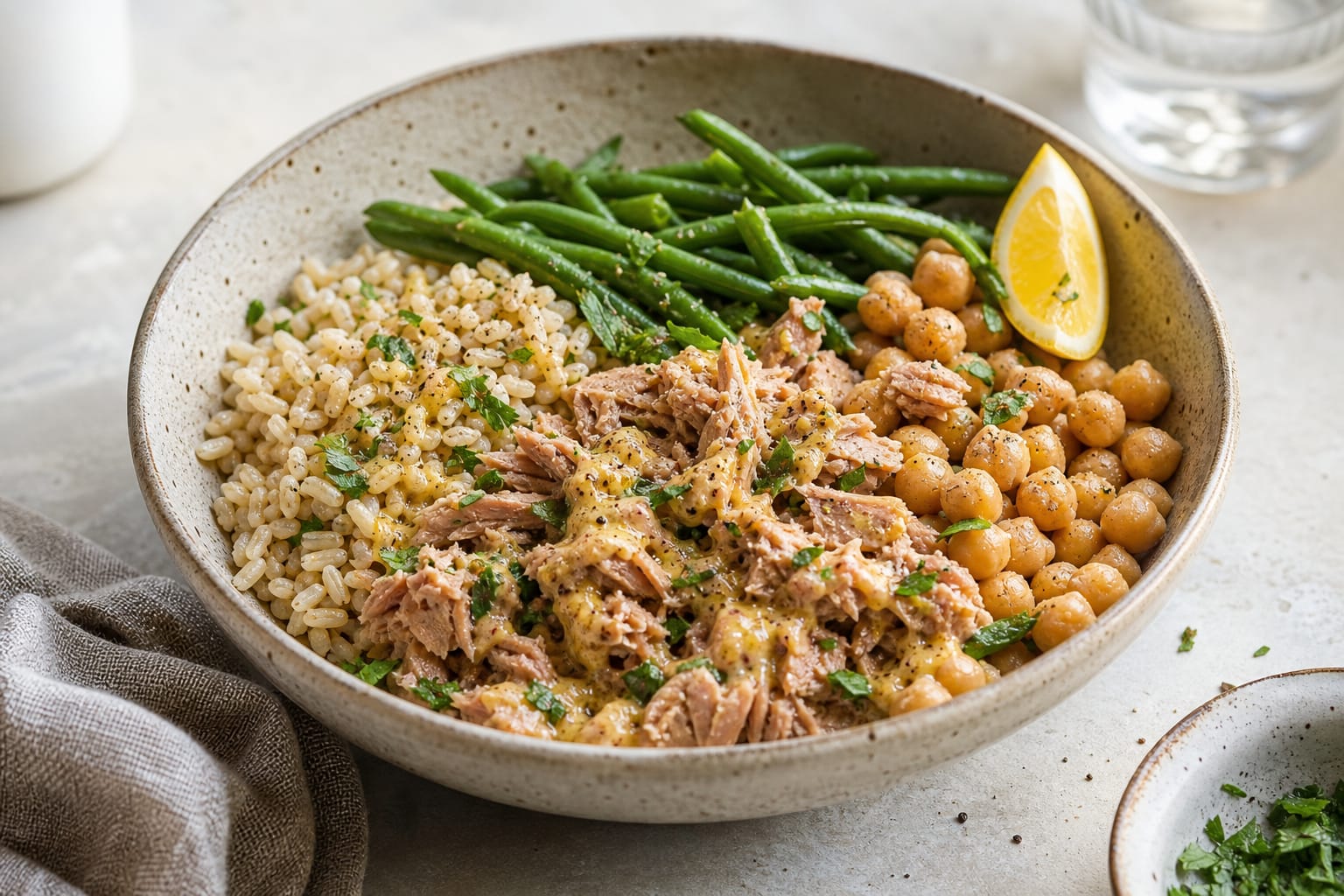
2. Tuna Chickpea Mustard Bowls
Cook Time: 10 minutes
Ingredients:
- 4 cans light tuna in water, drained to 17 ounces total (480 g)
- 3 cups canned chickpeas, drained and rinsed
- 3 cups cooked brown rice
- 2 cups frozen green beans
- 2 tablespoons Dijon mustard
- 2 tablespoons lemon juice
- 1 tablespoon extra-virgin olive oil
Directions:
Steam the frozen green beans for 5 minutes while warming tuna, chickpeas, and cooked brown rice in a covered skillet for 5 minutes until the mixture reaches 165°F. For 10 minutes total active cooking, fold the steamed green beans into the skillet, stir in mustard, lemon, and oil, and divide among 4 bowls.
Why It Works: Tuna and chickpeas use two open-and-drain staples in one meal. Mustard and lemon give the bowl enough contrast to avoid pantry fatigue.
Before we get to Meal #3...
My clients frequently ask me “Which foods actually help with inflammation?”
Knowing the foods is only useful if you understand why they matter and how to use them consistently.
Because knowledge is power.
So I ranked 10 science-backed foods that can support a lower-inflammatory eating pattern, including why they matter and practical ways to use them.
I hope you find it helpful!
3. Tomato Lentil Couscous-Style Quinoa
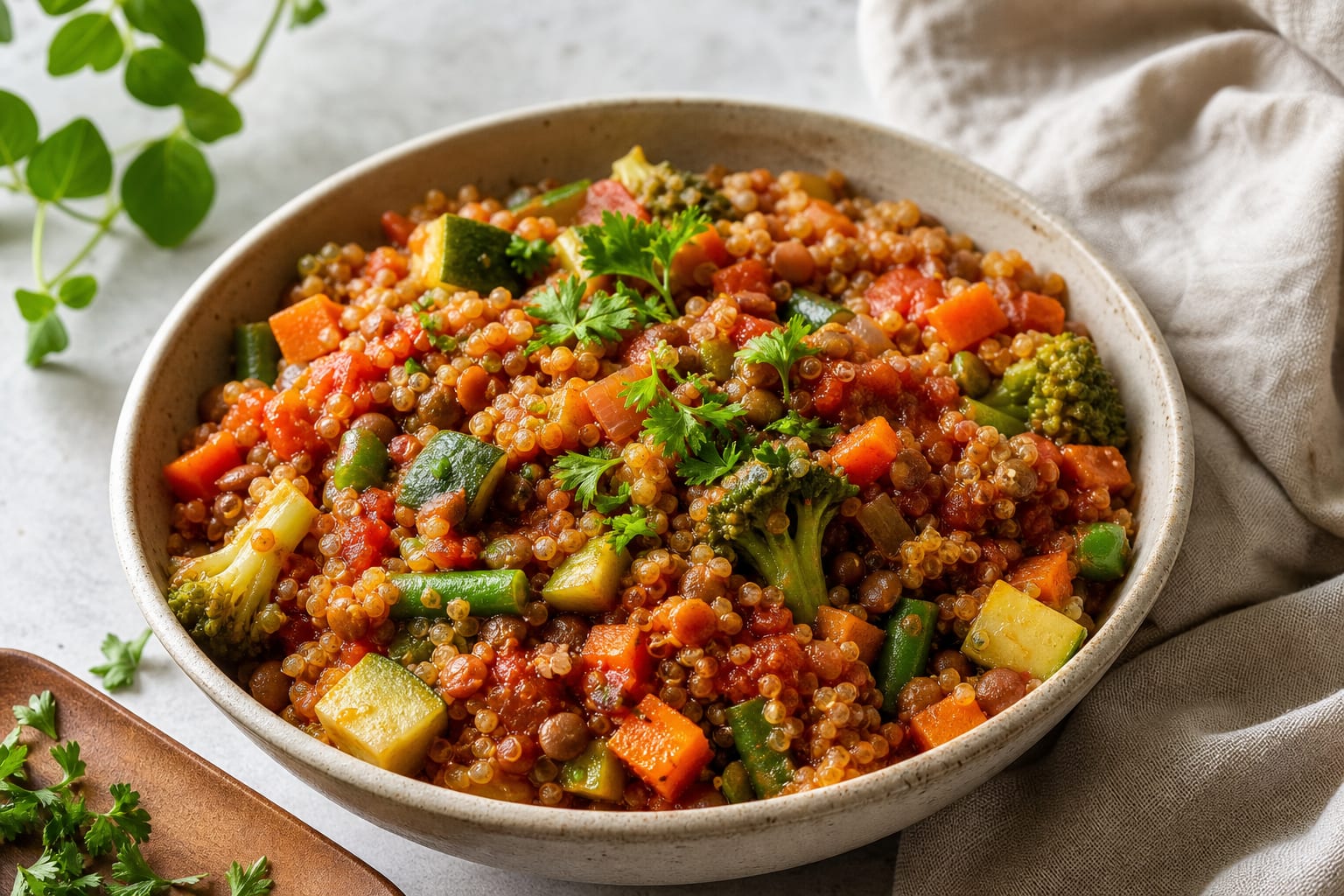
Cook Time: 18 minutes
Ingredients:
- 4 cups cooked unsalted lentils, drained (792 g)
- 3 cups cooked quinoa
- 3 cups no-salt-added diced tomatoes
- 3 cups frozen mixed vegetables
- 2 cups no-salt-added vegetable broth
- 2 tablespoons extra-virgin olive oil
- 1 teaspoon ground cumin
Directions:
Simmer lentils, tomatoes, frozen vegetables, broth, oil, and cumin for 14 minutes, then stir in the cooked quinoa. Cook for 4 minutes more, for 18 minutes total cooking, until the vegetables are tender and the mixture reaches 165°F, then divide into 4 servings.
Why It Works: The lentils and cooked quinoa create a spoonable meal from ingredients that keep well. These anti-inflammatory meals stay useful when shopping day moves.
4. Peanut Tofu Freezer-Vegetable Skillet
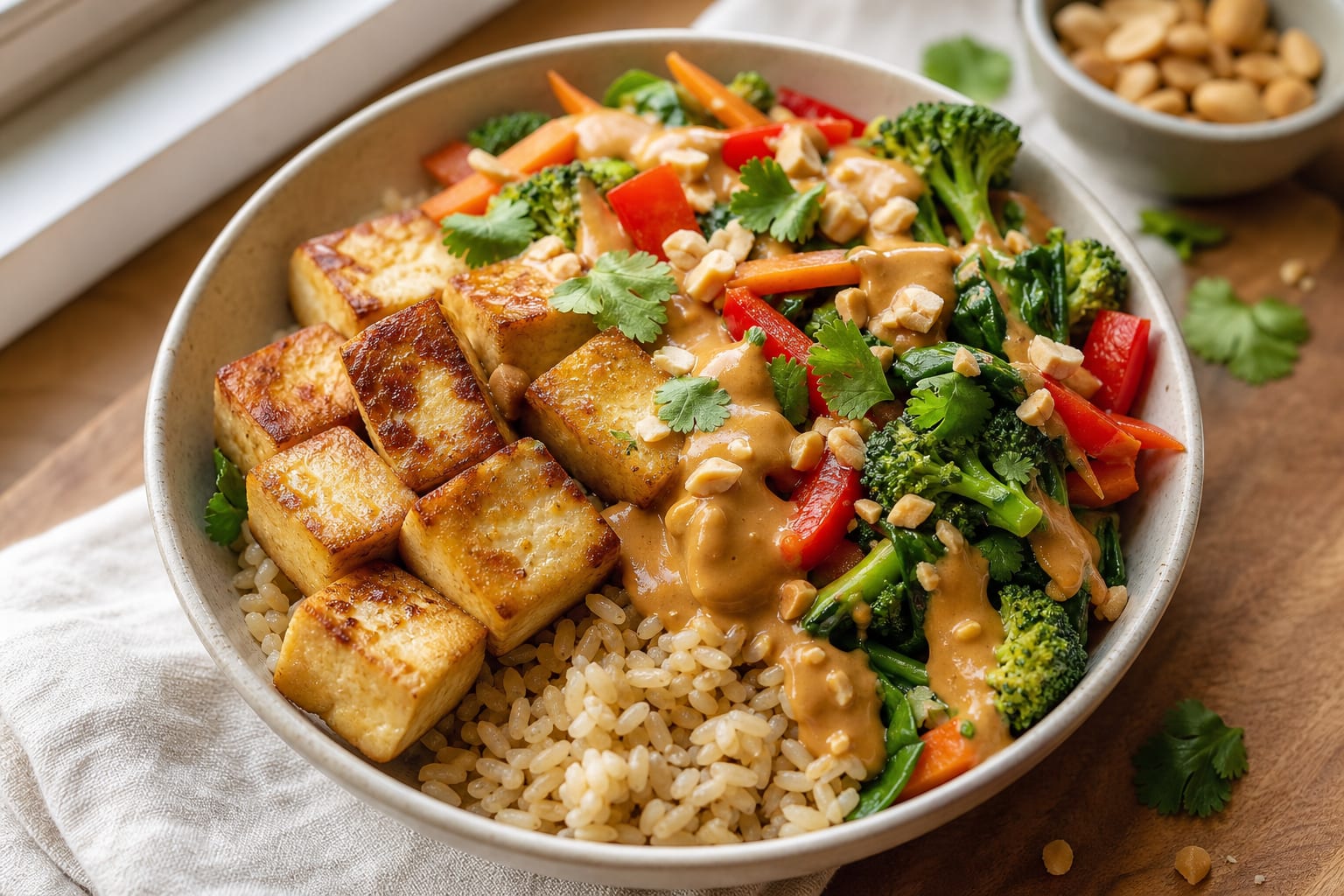
Cook Time: 18 minutes
Ingredients:
- 24 ounces firm calcium-set tofu, drained and cubed (680 g)
- 5 cups frozen stir-fry vegetables
- 3 cups cooked brown rice
- 1/4 cup natural peanut butter
- 2 tablespoons reduced-sodium soy sauce
- 2 tablespoons rice vinegar
- 1 tablespoon sesame oil
Directions:
Brown the tofu in sesame oil for 10 minutes, then add frozen vegetables and soy sauce. Cook for 8 minutes more, for 18 minutes total cooking, until the skillet reaches 165°F, stir peanut butter and vinegar into the pan juices, and divide over cooked brown rice among 4 bowls.
Why It Works: A frozen vegetable blend handles the chopping when the refrigerator is bare. Peanut butter turns the pan juices into a measured sauce.
5. Salmon Corn Potato Chowder
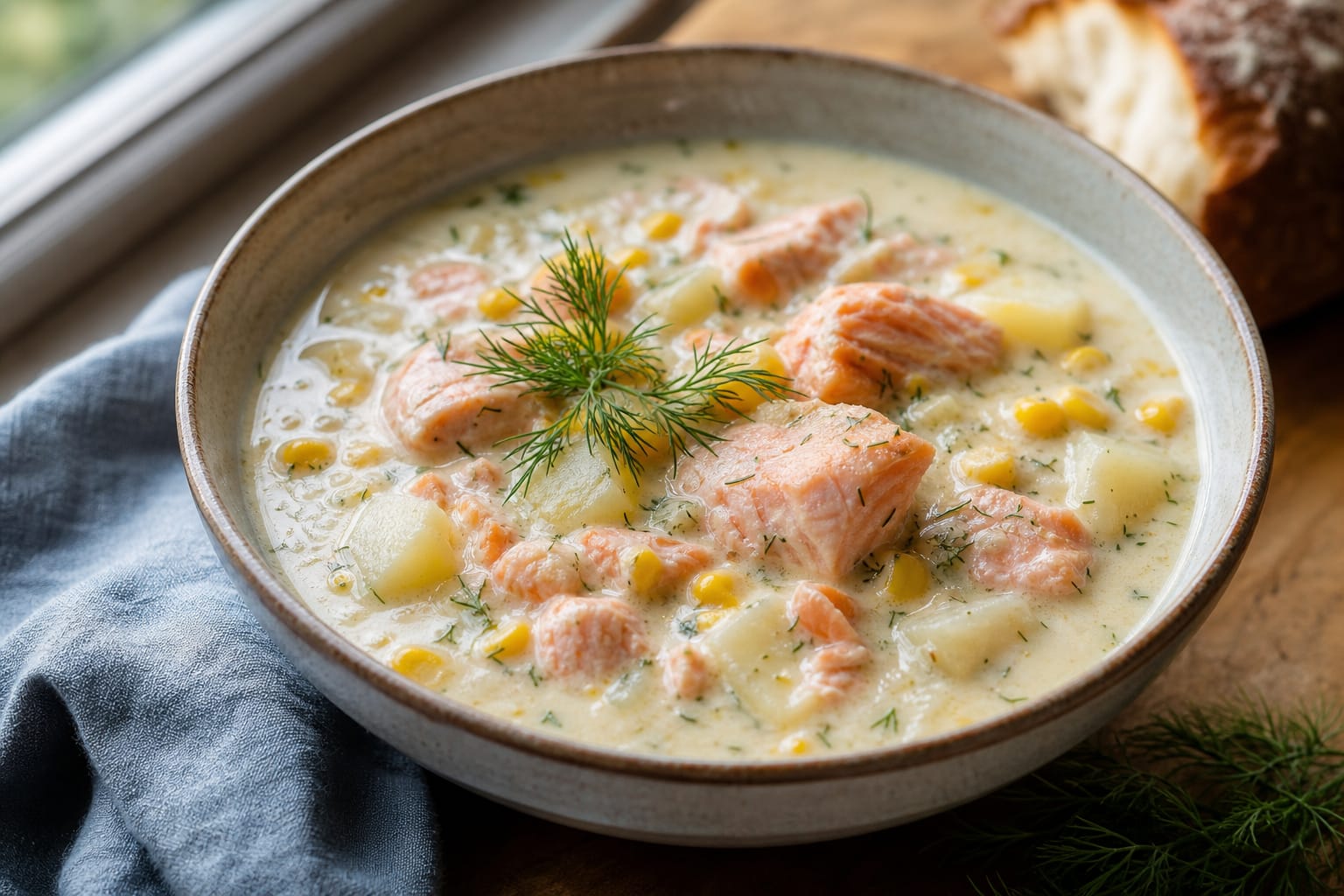
Cook Time: 25 minutes
Ingredients:
- 15 ounces raw Atlantic salmon, cut into 1-inch pieces (420 g)
- 4 cups peeled potatoes, cut into 1/2-inch cubes
- 3 cups frozen corn
- 3 cups low-fat milk
- 2 cups no-salt-added vegetable broth
- 2 tablespoons extra-virgin olive oil
- 1 teaspoon dried dill
Directions:
Simmer potatoes, corn, broth, oil, and dill for 18 minutes, then mash 1 cup of the potatoes against the side of the pot. Add milk and salmon and cook for 7 minutes more, for 25 minutes total cooking, until the salmon reaches 145°F and the chowder reaches 165°F, then divide among 4 bowls.
Why It Works: Mashed potato thickens the chowder without a flour slurry. Salmon and frozen corn keep the recipe straightforward late in the week.
6. Chickpea Tomato Oat Crumble Bake
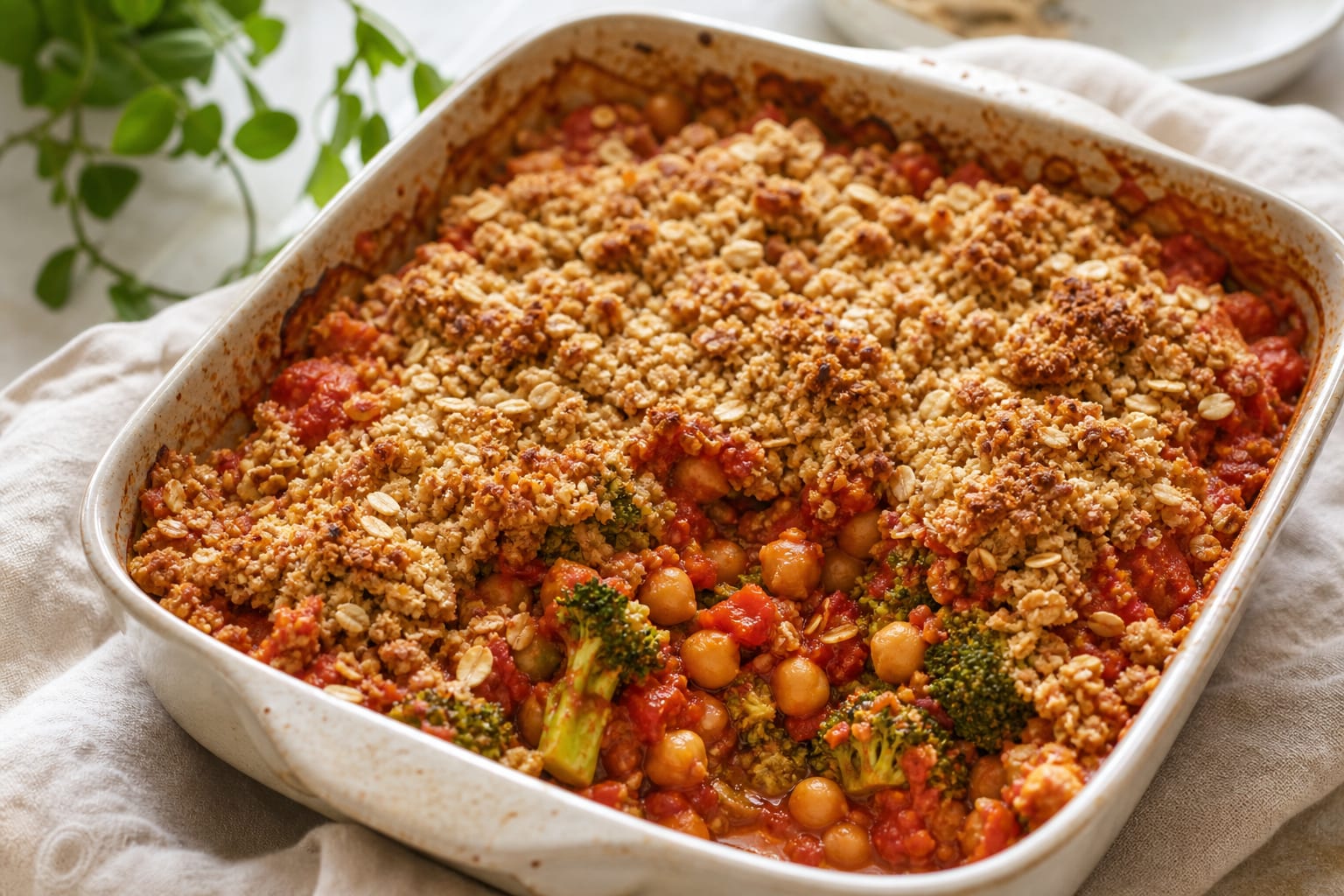
Cook Time: 28 minutes
Ingredients:
- 4 cups canned chickpeas, drained and rinsed (656 g)
- 3 cups no-salt-added crushed tomatoes
- 3 cups frozen broccoli florets
- 1 cup dry rolled oats
- 2 tablespoons extra-virgin olive oil
- 1 teaspoon smoked paprika
- 1 teaspoon dried oregano
Directions:
Mix chickpeas, tomatoes, frozen broccoli, 1 tablespoon oil, paprika, and oregano in a 9-by-13-inch baking dish. Toss oats with the remaining oil, spread them on top, and bake at 400°F for 28 minutes total cooking until the center reaches 165°F, then divide into 4 servings.
Why It Works: The oat topping adds crisp texture to pantry and freezer ingredients. This is one of the anti-inflammatory recipes that works even when fresh produce is gone.
Quick Reference
|
Recipe |
Prep |
Cook |
Protein |
Key Benefit |
|
White Bean Frozen Spinach Pasta |
14 min |
22 min |
~17 g/serving |
End-of-week pasta |
|
Tuna Chickpea Mustard Bowls |
12 min |
10 min |
~23 g/serving |
Sharp savory pantry bowl |
|
Tomato Lentil Couscous-Style Quinoa |
12 min |
18 min |
~17 g/serving |
One-pot freezer vegetable meal |
|
Peanut Tofu Freezer-Vegetable Skillet |
12 min |
18 min |
~29 g/serving |
No-chop freezer skillet |
|
Salmon Corn Potato Chowder |
15 min |
25 min |
~21 g/serving |
Creamy pantry chowder |
|
Chickpea Tomato Oat Crumble Bake |
12 min |
28 min |
~11 g/serving |
Crisp-topped pantry bake |