6 Anti-Inflammatory High-Protein Low-Carb Recipes With Simple Ingredients
Sep 07, 2026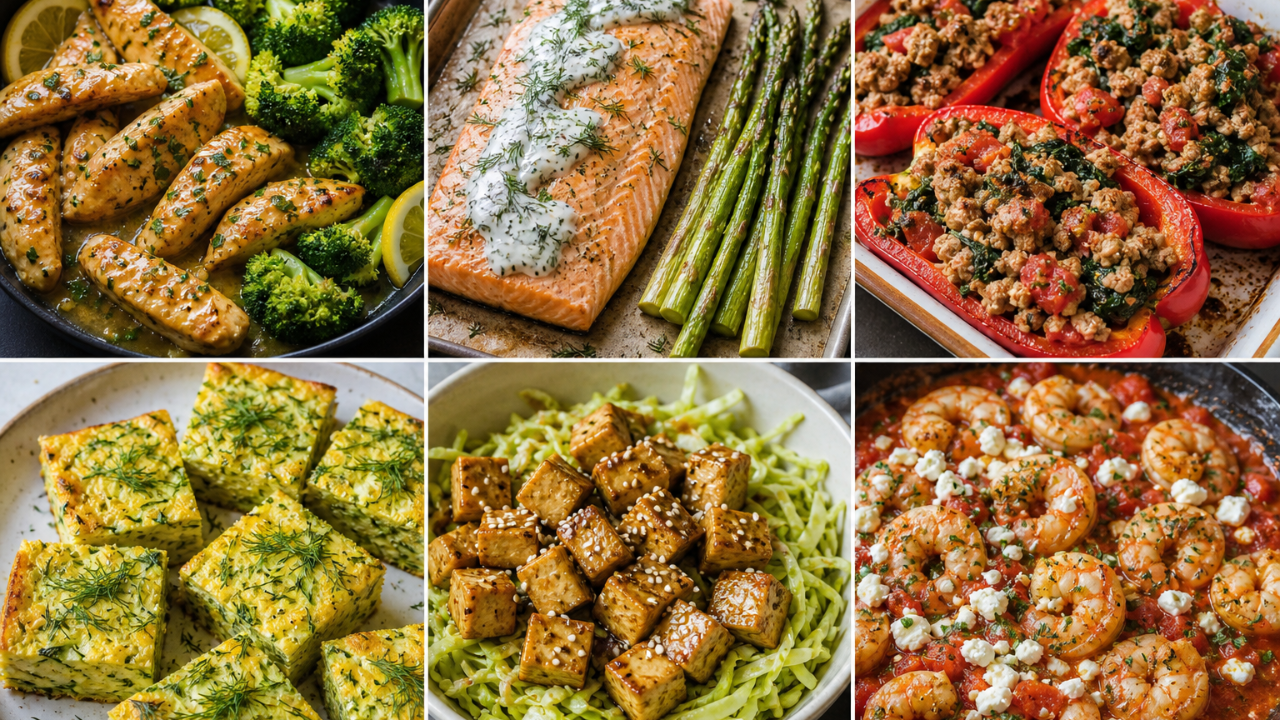
You’re standing in the grocery aisle comparing two recipes that both call themselves simple. One needs a specialty sauce and twelve ingredients; the other leaves you with plain chicken and steamed vegetables. You still have to choose between too much effort and a dinner nobody wants twice.
Proper nutrition can support your health, and a repeatable eating pattern gets easier when dinner starts with fewer decisions: one substantial protein, two vegetables, a measured fat, and seasonings you can find in a normal pantry. For this list, low-carb means the recipes skip grains, bread, pasta, potatoes, and added sugar. Each option also uses seven ingredient lines or fewer and keeps the cooking method visible.
Pick one recipe, count its ingredient lines, and put its main protein and vegetables in your cart first.
This is general wellness information based on current research, not medical advice. If you have specific health concerns, please consult with a healthcare provider.
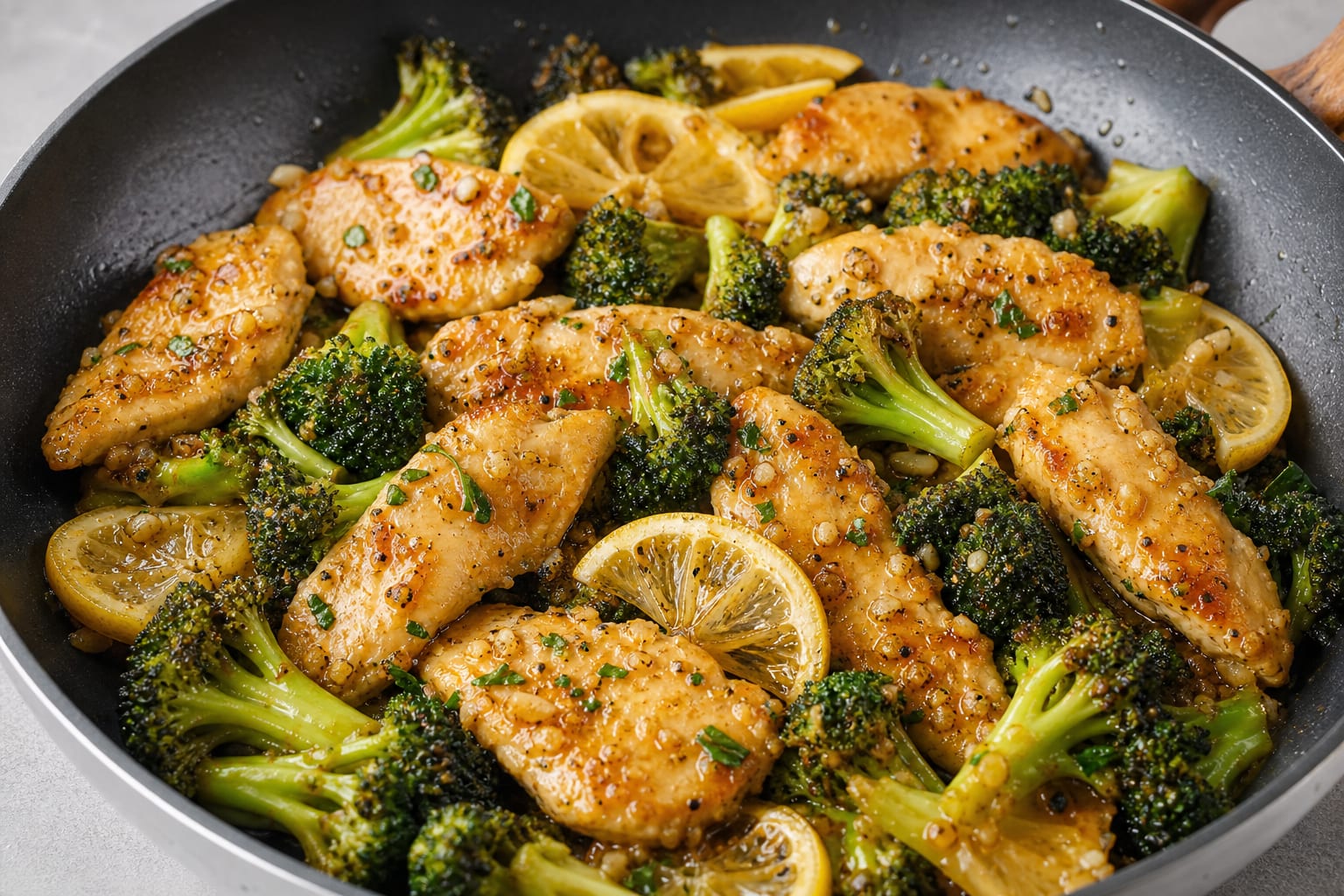
1. Lemon Chicken Broccoli Skillet
Cook Time: 22 minutes
Ingredients:
- 1 1/2 pounds raw boneless skinless chicken breast, cut into strips (680 g)
- 6 cups raw broccoli florets
- 3 tablespoons fresh lemon juice
- 2 tablespoons extra-virgin olive oil
- 3 medium raw garlic cloves, minced
- 1 teaspoon dried oregano
- 1/2 teaspoon fine salt
Directions:
Heat the olive oil in a wide skillet, cook the chicken strips with garlic, oregano, and salt for 12 minutes, then add the broccoli and 1/4 cup water. Cover and cook for 10 more minutes, for 22 minutes total, until the chicken reaches 165°F and the broccoli is crisp-tender, then finish with lemon juice and divide the skillet among 4 plates to make 4 servings.
Why It Works: Low inflammation recipes still need a clear flavor direction, and lemon, garlic, and oregano give the chicken one. Broccoli cooks in the same pan juices, so the short list works as a complete skillet. Anti-inflammatory recipes feel simpler when the vegetable doesn't need its own pot.
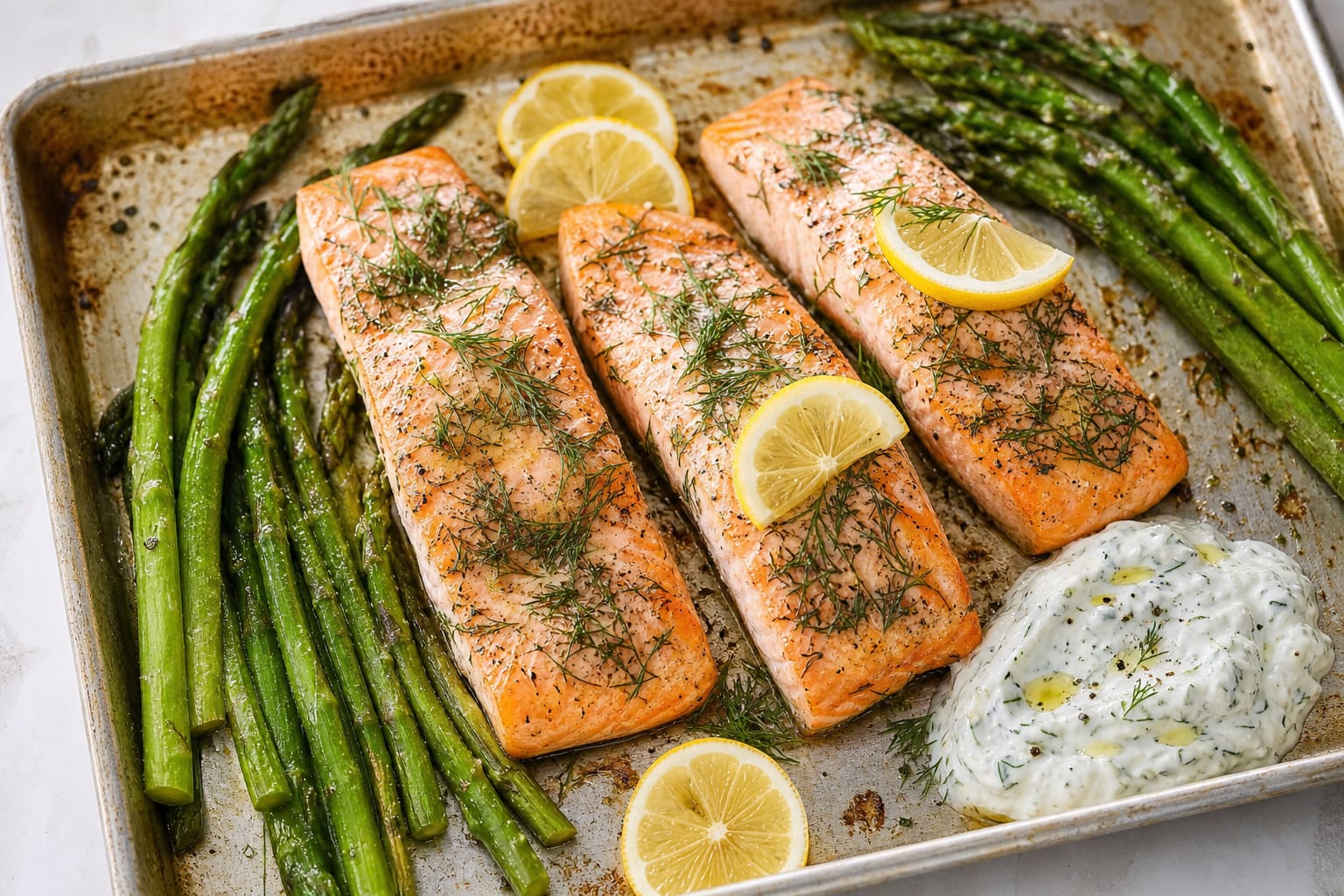
2. Dill Yogurt Salmon Asparagus Tray
Cook Time: 16 minutes
Ingredients:
- 1 1/2 pounds raw Atlantic salmon fillet, cut into 4 pieces (680 g)
- 2 pounds raw asparagus, trimmed
- 1 cup plain lowfat Greek yogurt (227 g)
- 2 tablespoons chopped fresh dill
- 2 tablespoons fresh lemon juice
- 2 tablespoons extra-virgin olive oil
- 1/2 teaspoon fine salt
Directions:
Heat the oven to 425°F, brush the salmon and asparagus with olive oil and salt, and spread them on a rimmed sheet pan without crowding. Roast for 16 minutes total, until the salmon reaches 145°F and the asparagus is tender, then divide the tray among 4 plates and top with yogurt mixed with dill and lemon juice to make 4 servings.
Why It Works: The salmon and asparagus share one short roasting window, while the dill yogurt stays cold. Healthy anti-inflammatory meals don't need more parts when those three textures already cover rich, crisp, and creamy.
Before we get to Meal #3...
My clients frequently ask me “Which foods actually help with inflammation?”
Knowing the foods is only useful if you understand why they matter and how to use them consistently.
Because knowledge is power.
So I ranked 10 science-backed foods that can support a lower-inflammatory eating pattern, including why they matter and practical ways to use them.
I hope you find it helpful!
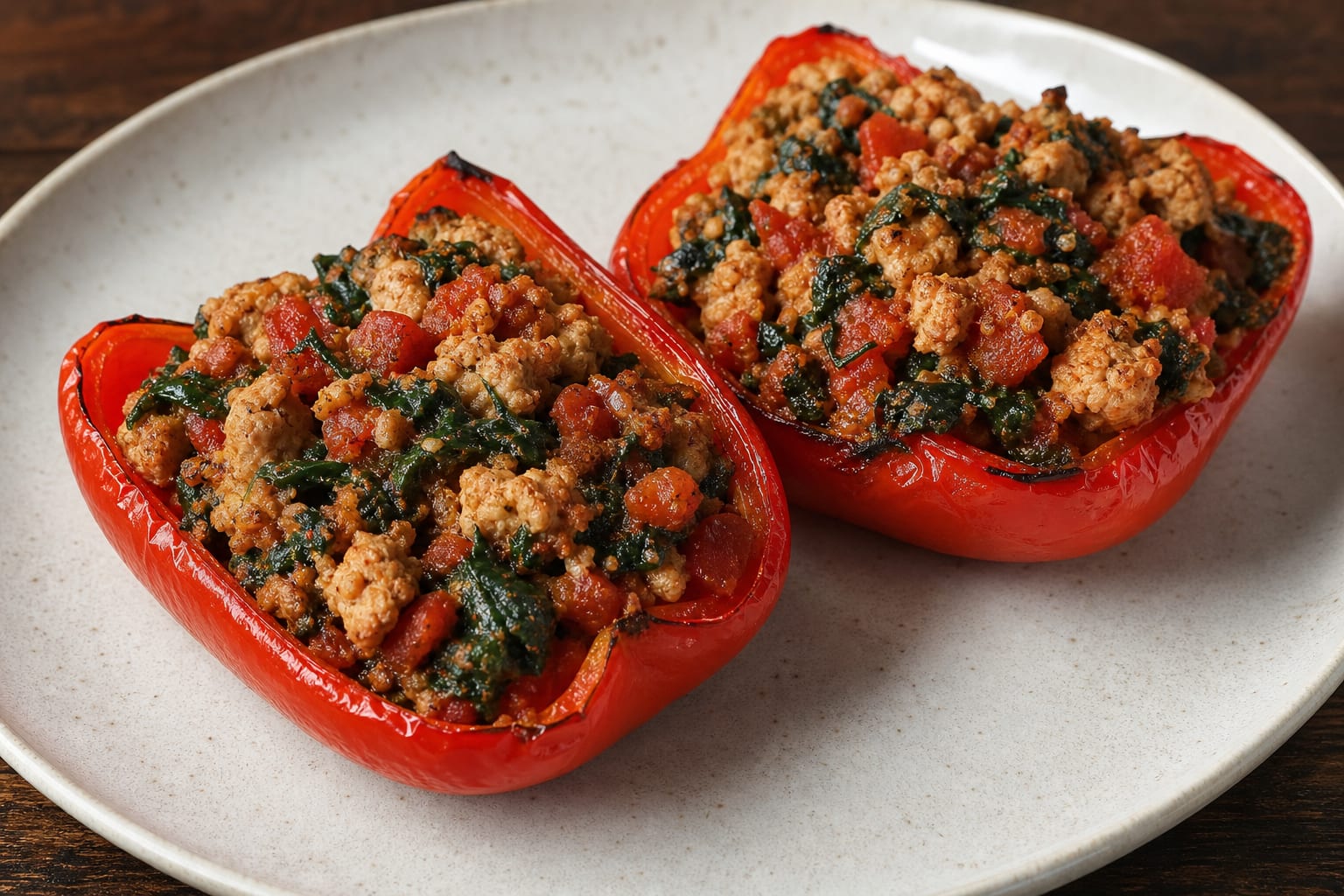
3. Turkey Spinach Stuffed Peppers
Cook Time: 28 minutes
Ingredients:
- 1 1/2 pounds raw 93% lean ground turkey (680 g)
- 4 medium raw red bell peppers, halved and seeded
- 5 cups raw baby spinach, chopped
- 2 cups no-salt-added crushed tomatoes
- 2 tablespoons extra-virgin olive oil
- 2 teaspoons smoked paprika
- 1/2 teaspoon fine salt
Directions:
Heat the oven to 400°F, brown the turkey in 1 tablespoon olive oil with paprika and salt for 10 minutes until it reaches 165°F, then stir in the spinach and tomatoes. Fill the pepper halves, brush them with the remaining oil, and bake for 18 more minutes, for 28 minutes total, until the filling reaches 165°F and the peppers soften, then serve 2 halves per plate to make 4 servings.
Why It Works: Tomato and spinach keep the turkey filling juicy without adding a separate sauce. Anti-inflammatory dinners can stay direct when the pepper becomes both the vegetable and the serving vessel.
4. Greek Yogurt Cottage Cheese Egg Bake

Cook Time: 32 minutes
Ingredients:
- 12 large raw eggs (600 g without shells)
- 3 cups plain lowfat Greek yogurt (680 g)
- 2 cups lowfat cottage cheese (454 g)
- 4 cups raw zucchini, grated and squeezed dry
- 2 tablespoons extra-virgin olive oil
- 2 tablespoons chopped fresh dill
- 1/2 teaspoon fine salt
Directions:
Heat the oven to 375°F, whisk the eggs, yogurt, cottage cheese, dill, and salt, fold in the zucchini, and pour the mixture into an oiled 9-by-13-inch baking dish. Bake for 32 minutes total, until the center reaches 160°F and no liquid egg remains, then cut the bake into 6 squares to make 6 servings.
Why It Works: Squeezed zucchini keeps its texture without watering down the eggs. Heart healthy recipes can still feel generous when yogurt and cottage cheese create a soft, substantial center.
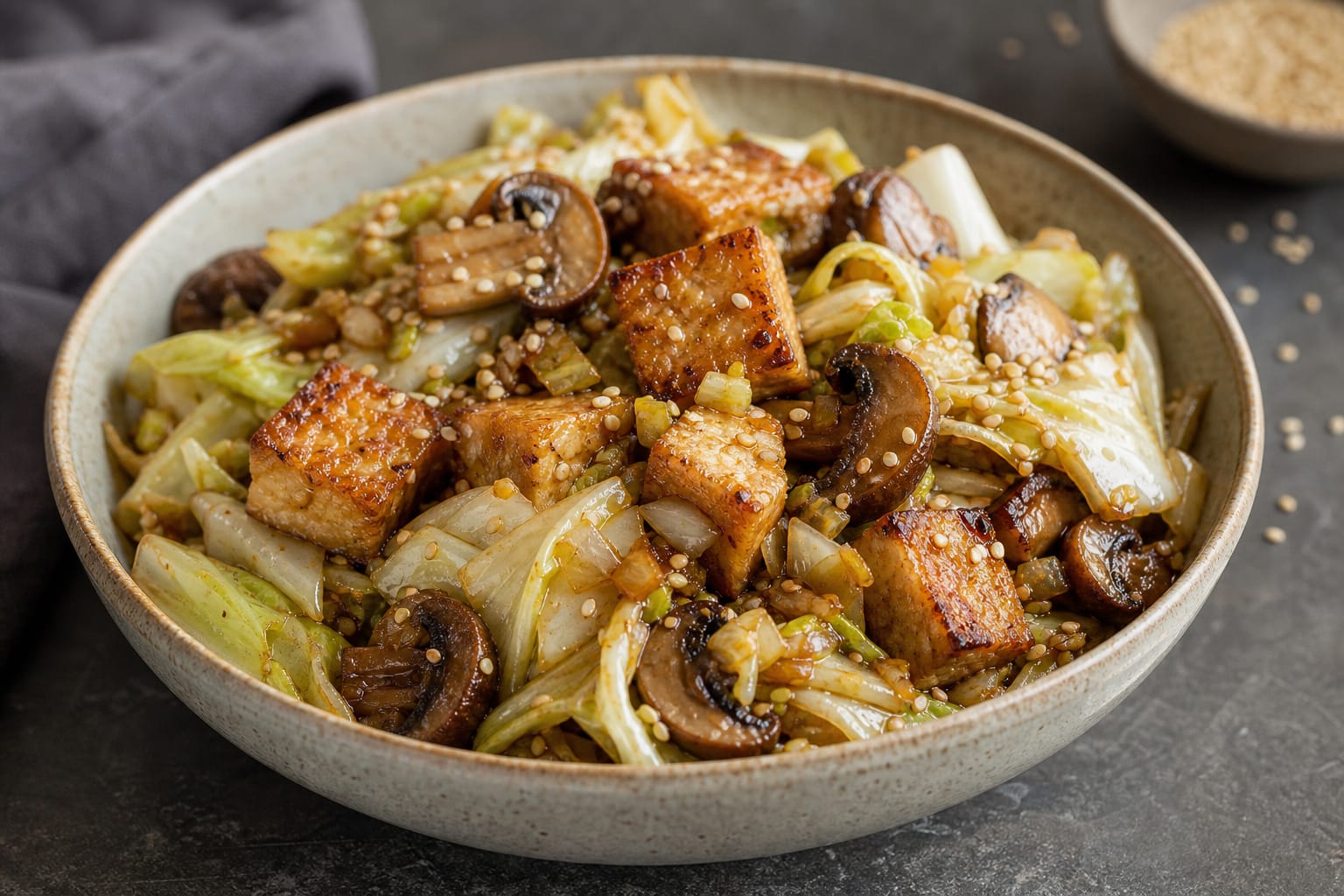
5. Sesame Tofu Cabbage Bowls
Cook Time: 18 minutes
Ingredients:
- 2 pounds firm calcium-set tofu, drained and cubed (900 g)
- 6 cups raw green cabbage, shredded
- 3 cups raw cremini mushrooms, sliced
- 1 tablespoon toasted sesame oil
- 3 tablespoons low-sodium tamari
- 1 tablespoon grated fresh ginger
- 2 tablespoons sesame seeds
Directions:
Heat the sesame oil in a wide skillet, brown the tofu for 10 minutes, then add the cabbage, mushrooms, tamari, and ginger. Cook for 8 more minutes, for 18 minutes total, until the mushrooms release their liquid and the cabbage is tender, then divide the skillet among 5 bowls and top with sesame seeds to make 5 servings.
Why It Works: Mushrooms release enough liquid to soften the cabbage while the tofu keeps browned edges. Low inflammation recipes can lean on tamari and ginger for depth instead of a long sauce list. The sesame seeds bring a final crisp note. Anti-inflammatory recipes work harder when every item earns its place in the skillet.
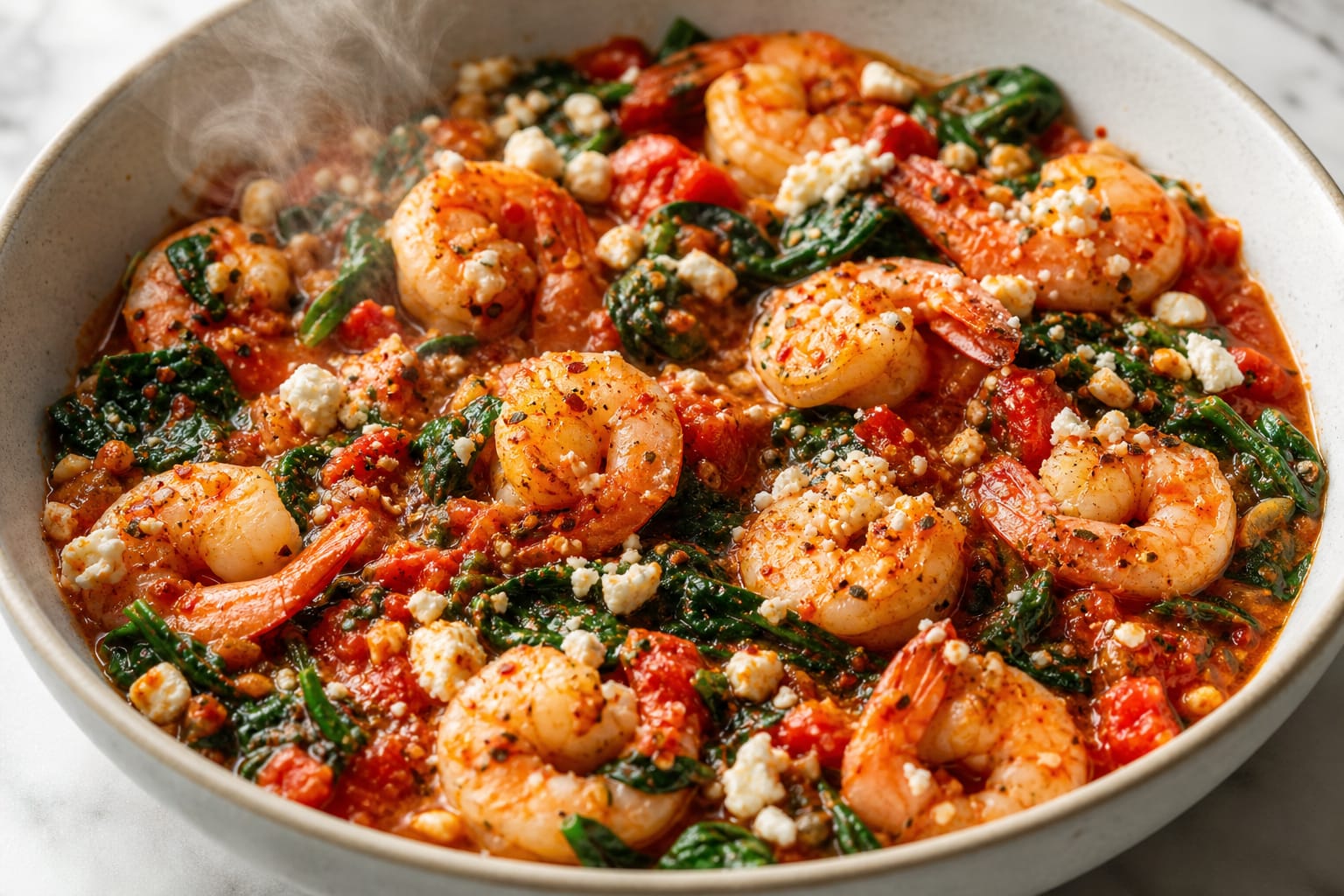
6. Tomato Feta Shrimp Skillet
Cook Time: 15 minutes
Ingredients:
- 20 ounces shrimp, cooked and peeled (567 g)
- 1 can (28 ounces) no-salt-added diced tomatoes
- 6 ounces feta cheese, crumbled (170 g)
- 5 cups raw baby spinach
- 2 tablespoons extra-virgin olive oil
- 3 medium raw garlic cloves, minced
- 1 teaspoon smoked paprika
Directions:
Heat the olive oil in a wide skillet, cook the tomatoes, garlic, and paprika for 9 minutes, then fold in the spinach, cooked shrimp, and feta. Cook for 6 more minutes, for 15 minutes total, until the shrimp and skillet center reach 165°F and the spinach wilts, then divide the mixture among 4 shallow bowls to make 4 servings.
Why It Works: Feta softens into the tomato juices without disappearing, and the shrimp only needs a short warm-through. Healthy anti-inflammatory meals can taste complete with seven ingredient lines when salt, acid, and texture are already built in.
Quick Reference
|
Recipe |
Prep |
Cook |
Protein |
Key Benefit |
|
Lemon Chicken Broccoli Skillet |
12 min |
22 min |
~38 g/serving |
Bright one-skillet chicken |
|
Dill Yogurt Salmon Asparagus Tray |
10 min |
16 min |
~40 g/serving |
Roasted salmon with cool herb sauce |
|
Turkey Spinach Stuffed Peppers |
15 min |
28 min |
~31 g/serving |
Juicy turkey in tender peppers |
|
Greek Yogurt Cottage Cheese Egg Bake |
10 min |
32 min |
~31 g/serving |
Soft egg squares with fresh dill |
|
Sesame Tofu Cabbage Bowls |
15 min |
18 min |
~31 g/serving |
Browned tofu with tender cabbage |
|
Tomato Feta Shrimp Skillet |
10 min |
15 min |
~40 g/serving |
Briny feta in a bright tomato skillet |